
Cultural Anthropology Concentration
Cultural anthropologists use the idea of culture to explore the most basic questions of human societies and to find wonder in the ordinary.
Cultural Anthropology is the study of all living societies, what makes them similar to and different from each other. The way we come to these understandings draws on the fieldwork experience of generations of cultural anthropologists who contributed insights about what it means to experience life as a member of a society. Big and small, the questions cultural anthropology asks mark the beginning of understanding the heart of human belonging and how cultural ways of seeing and doing can help people adapt to the stresses of rapid change that no human on this earth can avoid.
Cultural Anthropology at CSU
Our cultural anthropology program provides a broad range of courses designed to provide foundational knowledge in the classroom and further engage students in experiential learning in our lab and field school courses.
- CSU cultural anthropology course subjects include:
- Human-environment interactions
- Health and well-being
- Risk, disasters, and adaptation
- Gender and sexuality
- Public anthropology
- Cultural psychiatry
- Culture continuity and change
- Community and economic development
- Sense of place
- Alternative conceptions of the natural world
- Research methods
The American Anthropological Association and the National Association for the Practice of Anthropology have additional resources about jobs and cultural anthropology career paths.
Careers in Cultural Anthropology
The graduate in cultural anthropology has the skills and insights to deal with global business opportunities, to enter the Foreign Service, to contribute to the initiative of non-profit organizations. Anywhere there are human questions to be considered, the cultural anthropology graduate will feel right at home.
Cultural knowledge and the skills to know how to approach cultural differences are desirable and helpful in a wide range of careers and fields. Cultural anthropology majors have successfully landed jobs in the following areas: international business, international development, work with international and national non-governmental organizations (INGOs and NGOs), work in Foreign Service, Peace Corps, organizations that support refugees and immigrant populations, and those with employees from diverse backgrounds.
Check out our suggestions for careers in cultural anthropology.
Cultural Anthropology Paths to Success
The following are examples of course sequences that prepares students for specific jobs or careers
The listed courses for particular career paths are suggestions only. Be sure to seek the advice of Keri Canada, your Academic Success Coordinator, as well as your professors to help you choose courses best suited for your career endeavors. Consult the CSU Course Catalog to ensure you are meeting degree requirements. Also, pursue practical experience through field school, practicums, internships, and volunteer opportunities.
In addition to taking the required courses for an anthropology major with a concentration in archaeology, the sections below illustrate other courses useful to specific career paths.
- ANTH 225 – Anthropology of the Arts
- ANTH 322 – Anthropology of Religion
- ANTH 335 – Language and Culture
- ANTH 444 – Cultures of virtual worlds: Research methods
- GR 320 – Cultural Geography
Positions available for art, performance, and expressive culture include work in the area of local and national cultural production and management roles, NGOs promoting cultural education and comprehension, cultural events planning, and non-profit organizations that provide offer therapeutic art/music/performance-based ways to engage traumatized local populations or those suffering from incurable diseases. Jobs in this category are found at Colorado State University, Midtown Arts Center, Non-Profit Organizations in Fort Collins, WANGO.org, and NGOJobBoard.org.
Internships
- ANTH 330 – Human Ecology
- ANTH 405 – Public Anthropology and Global Environmental Change
- ANTH 417 – Indigenous Environmental stewardship
- ANTH 442 – Ethnographic Field School for Risk and Disaster
- GR 213 – Climate Migrants
Positions available for environment and sustainability include eco-tourism, global planning, climate change research, NGOs promoting sustainable energy alternatives, educational institutions with sustainability offices, and positions with NGOs that provide aid and sustainable plans to help strengthen local communities in the US and abroad. Jobs in this category are found at Colorado State University, Non-Profit Organizations in Fort Collins, WANGO.org, and NGOJobBoard.org.
Internships
- ANTH 310 – African Cities, Ethnographic Perspectives
- ANTH 314 – Southeast Asian Cultures and Societies
- ANTH 315 – Global Mobilities: Transnationalism, Culture, and the African Diaspora
- ANTH 479 – International Development: Theory and Practice
- GR 330 – Urban Geography
- GR 415 – The Geography of Commodities
Positions available for globalization and development include global planning, business and technology user research, non-profit agencies promoting international development, cultural ministries inside foreign governments that plan and implement development projects, and NGOs working in different countries to promote community-based development projects. Jobs in this category may be found at Devex International Careers, foreignpolicy.com, Development Classifieds, United Nations, EPIC, Dice, Microsoft, and Google.
Internships
- ANTH 340 – Medical Anthropology
- ANTH 379 – Evolutionary Medicine and Human Health
- ANTH 416 – Gender Culture and Health
- ANTH 423 – Cultural Psychiatry
- ANTH 445 – Psychological Anthropology
Positions available for health and well-being include work for health care institutions such as hospitals and clinics, NGOs at the local, national or international organizations that promote wellness, agencies that research disease and work to understand the relevance of cultural factors in achieving positive health outcomes. Jobs in this category are found at UC Health, Banner Health, Health District of Larimer County, Larimer County, Centers for Disease Control and Prevention (CDC), the Pan American Health Organization, and the World Health Organization.
Internships
Our Faculty
The Cultural Anthropology Program Reflects the Overlapping and Diverse Research Interests of our Faculty.
-

Keri A. Canada
- Academic Success Coordinator II
- Instructor
- Program Manager, Vida Residential Learning Community
-
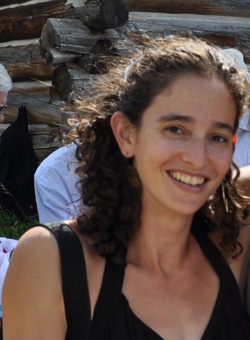
Adrienne Cohen
- Associate Professor
-
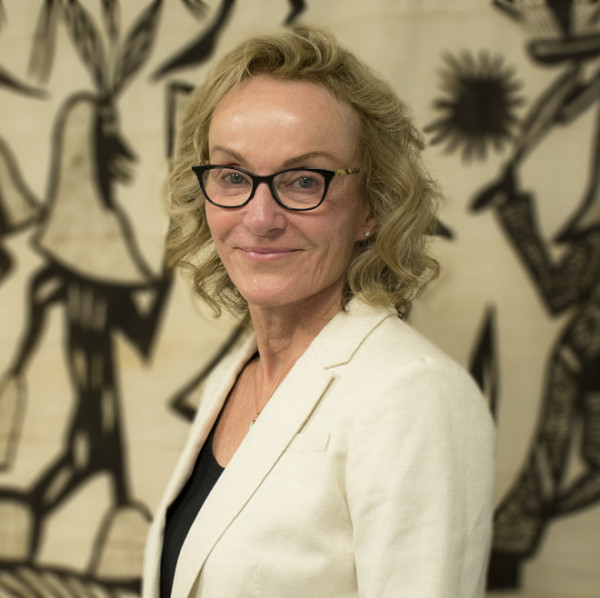
Kathleen A. Galvin
- Professor
-

Suzanne Kent
- Associate Teaching Professor
-
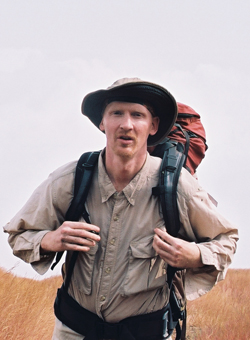
Jeffrey G. Snodgrass
- Professor
-
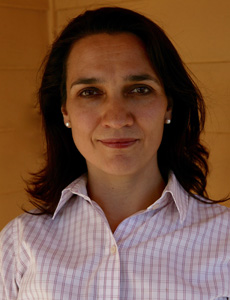
Teresa Tellechea
- Senior Instructor
-

Jonna Yarrington
- Assistant Professor
Opportunities for Cultural Anthropology Students
Cultural anthropology students at CSU are encouraged to engage in research. Faculty-supervised student research projects and independent studies may concern ethnographic methods, statistics, or lab research (research design, methods, assessment, publication). These projects are made possible by faculty research facilities. A focus in cultural anthropology at CSU includes a large array of excellent classes as well as hands-on internships, small-enrollment courses in methods training, Ethnographic Field School, and a variety of study abroad programs. The rigor and breadth of this training translates well into the world that every student faces after graduation.

Opportunities to Engage in Research with Faculty Mentorship
Our Archaeology Field School course provides experiential immersion in field and lab research methods every summer.
- Center for Archaeology and Remote Sensing
- Center for Research in Archaeogeophysics and
- Geoarchaeology
- Center for Mountain and Plains Archaeology
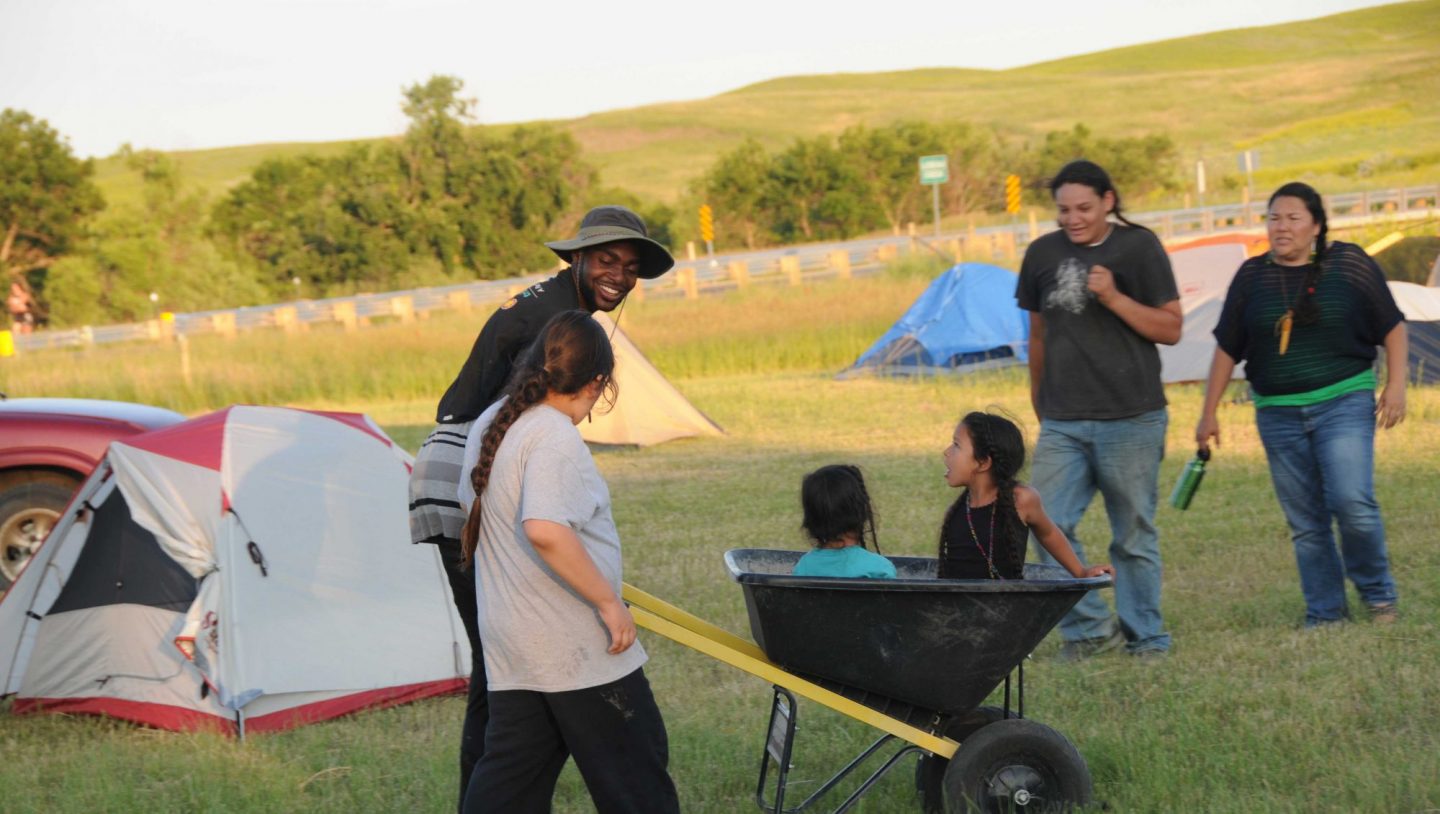
Opportunities to Work in the Field
The opportunity to engage in original research with faculty mentorship.
- Archaeology Lab
- Mesoamerican Lab
- Zooarcheology Lab
- CSU Archaeological Repository
Testimonials
The cultural anthropology program at CSU provides students with opportunities to learn through experience and mentorship. As a result, our graduates have followed paths to successful careers in non-academic and academic fields