
Biological Anthropology
Students in the Biological Anthropology concentration study humanity from a biological and evolutionary perspective.
Uniquely situated between the biological and social sciences, a concentration in Biological Anthropology provides an evolutionary perspective on the adaptations that make us human. The field addresses evolutionary, anatomical, genetic, and biological questions about humans and nonhuman primates today and in the past and prepares for a range of careers across law and justice, the sciences, cultural preservation, and resource management.
Our students acquire theoretical and foundational knowledge in the classroom as well as practical skills via experiential learning through lab work and our annual Paleontology Field School where you gain hands-on experience with topics including human evolutionary biology, primate skeletal biology and evolution, human paleontology, and more. Many students in the concentration also earn a minor in Forensic Anthropology or pursue a certificate in Museum and Cultural Heritage Studies.
Biological anthropology students gain the ability transferable skills including scientific research design and analysis, laboratory techniques and forensic analysis, conducting paleontological survey and analysis, critical thinking and communication, and statistical analysis and ability to synthesize complex information.
What You’ll Study
In Biological Anthropology, you complete an Anthropology BA with a focused curriculum that emphasizes evolutionary theory, human biological and cultural adaptations, and skeletal analysis. Our students investigate how and when human biological traits arose, and what these changes tell us about our relationship to nonhuman primates and each other. Understanding human variation from an anthropological perspective prepares graduates to contribute a culturally-informed approach to biological professions.
Biological anthropology faculty conduct research around the world and teach a wide range of topics related to human adaptation, paleontology, skeletal anatomy, primate interactions with past environments, and much more. Online classes also provide flexible options to complete your degree.
-
ANTH 120: Human Origins and Variation
Get familiar with the mechanisms of evolution, adaptation and genetics through an introduction to living primate biology, behavior, and history and human evolutionary history. In ANTH 121 lab, students learn about genetic and evolutionary processes and modern human variation and comparative skeletal anatomy through fossil casts.
-
ANTH 275: Introduction to Forensic Anthropology
Learn forensic anthropological theory and methods including estimation of age-at-death, sex, stature, ancestry, and trauma analysis. Af undamental course for students interested in the Forensic Anthropology minor.
-
ANTH 371: Growing Up Primate
Explore primates, their variations, their extended periods of growth, and reproductive strategies, and evaluate current models of primate life history, including the role of human sociality in our evolution.
Career & Professional Pathways
Graduates in biological anthropology have skills in data analysis, critical thinking, writing, and oral presentations. You can pursue careers in health and medicine, criminal investigation, sports medicine, biology and science education, zoology, genetics, conservation biology, and museum curation.
Careers in biological anthropology include:
- Museum curator and collections manager
- Primate caregiver/ zookeeper
- Scientific illustrator and writer
- Autopsy technician/ coroner
- Primatologist
- Conservation biologist
- Forensic scientist
- High school science/ biology teacher
Student Experience
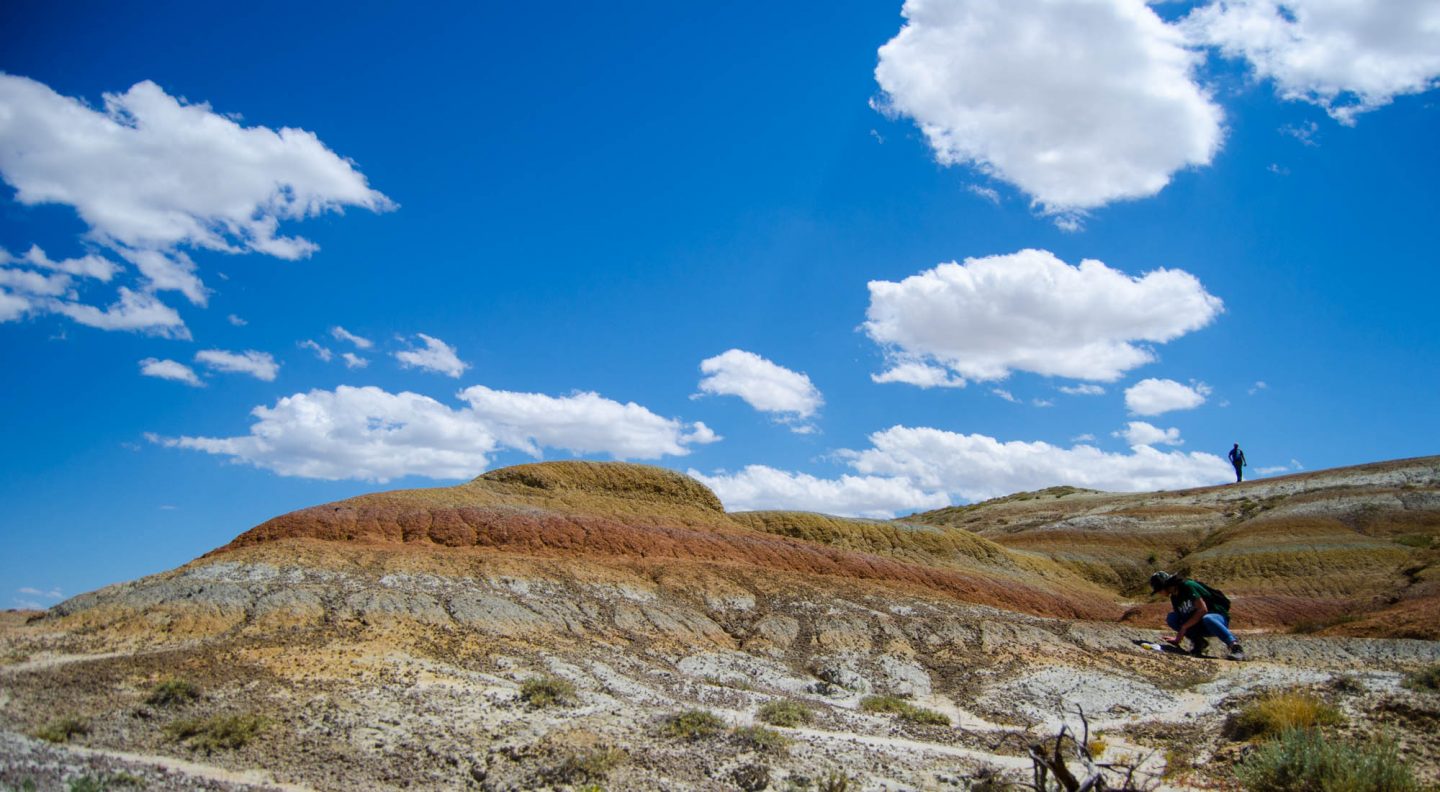
Paleontology Field School
The CSU Paleontology Field School runs each summer and is one of the only undergraduate, vertebrate-paleontology field programs in the United States. Students travel to Wyoming and learn and practice methods in fossil prospecting, collection, identification, and curation across time in field sites and the lab. Field school students complete research and present findings at university events and other conferences.
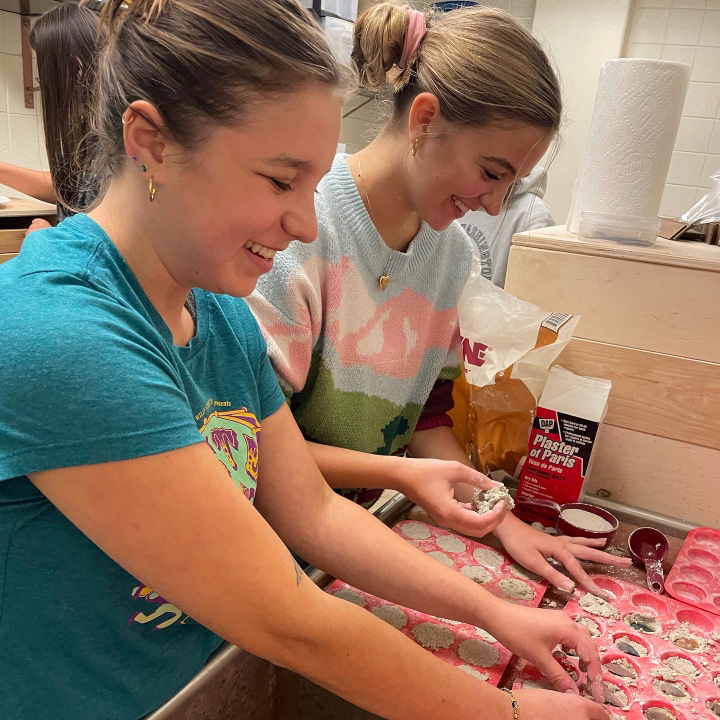
Anthropology Club
The undergraduate Anthropology Club and Geography Club are open to all interested students and community members. Clubs meet several times a month throughout the school year and host social and academic events.
Student Work and Research
Faculty Labs and Student Research
Biological Anthropology students have access to the CSU Bone Lab and our collections of more than 240 cast and actual bone specimens representing more than 30 living and extinct primate and human species from the past 6 million years. You can also learn valuable research skills in other faculty-led labs including the Human Osteology Lab, the Center for Paleoanthropological Research, the Zooarchaeology Lab, the 3-D Imaging and Analysis Lab, and the Primate Origins Lab.
Internships
Many students also complete internships with government agencies, primate conservation and research centers, museums, and research groups, and gain training with skeletal analysis, fossil and artifact curation, and report writing.
Student or Alumni Stories

Our Faculty
-

Kristen Bonnevier
- Graduate Teaching Assistant
-

Katie Brown
- Masters Student
- Graduate Teaching Assistant
-
Jack Cameron
- Masters Student
- Graduate Teaching Assistant
-

Jenna Dagher
- Masters Student
- Graduate Teaching Assistant
-
Andrew Du
- Assistant Professor
-
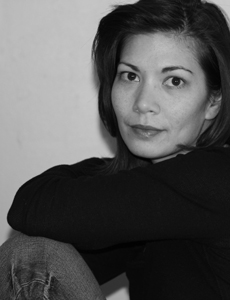
Connie Fellmann
- Associate Teaching Professor
-
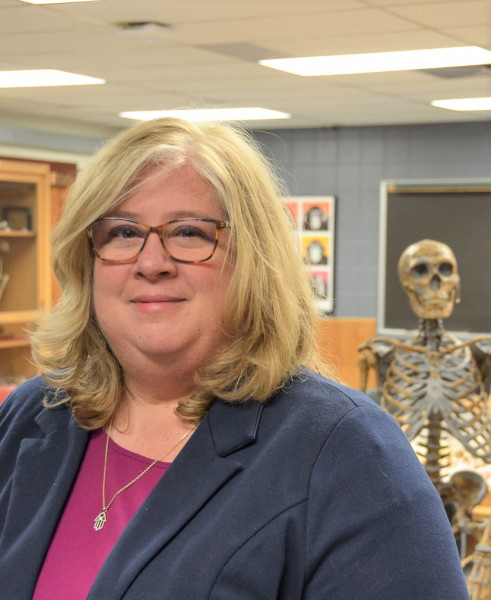
Michelle M. Glantz
- Professor
- Interim Chair of Race, Gender, and Ethnic Studies
-
Lily Gregson
- Graduate Teaching Assistant
-

Isabel Heslin
- PhD Student | Graduate Teaching Assistant
-

Michaela Howells
- Associate Professor of Anthropology
-

Tewabe Negash
- Graduate Instructor
- PhD Candidate
-
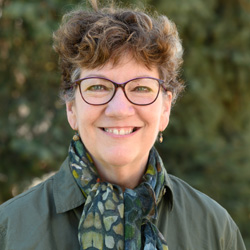
Kim Nichols
- Associate Teaching Professor
-

Isabell Osborne
- Masters Student
- Graduate Teaching Assistant
-
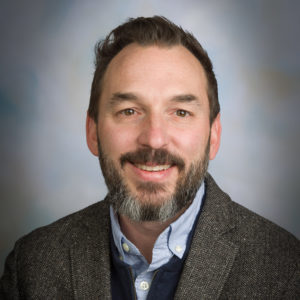
Michael Pante
- Professor and Chair
-
Alex Pelissero
- Graduate Instructor
- PhD Candidate
-
Melissa Raguet-Schofield
- Instructor
-

Tianna Weiland
- Masters Student
- Graduate Teaching Assistant
- MURALS Graduate Student Navigator
Next Steps
Are you interested in joining our community?