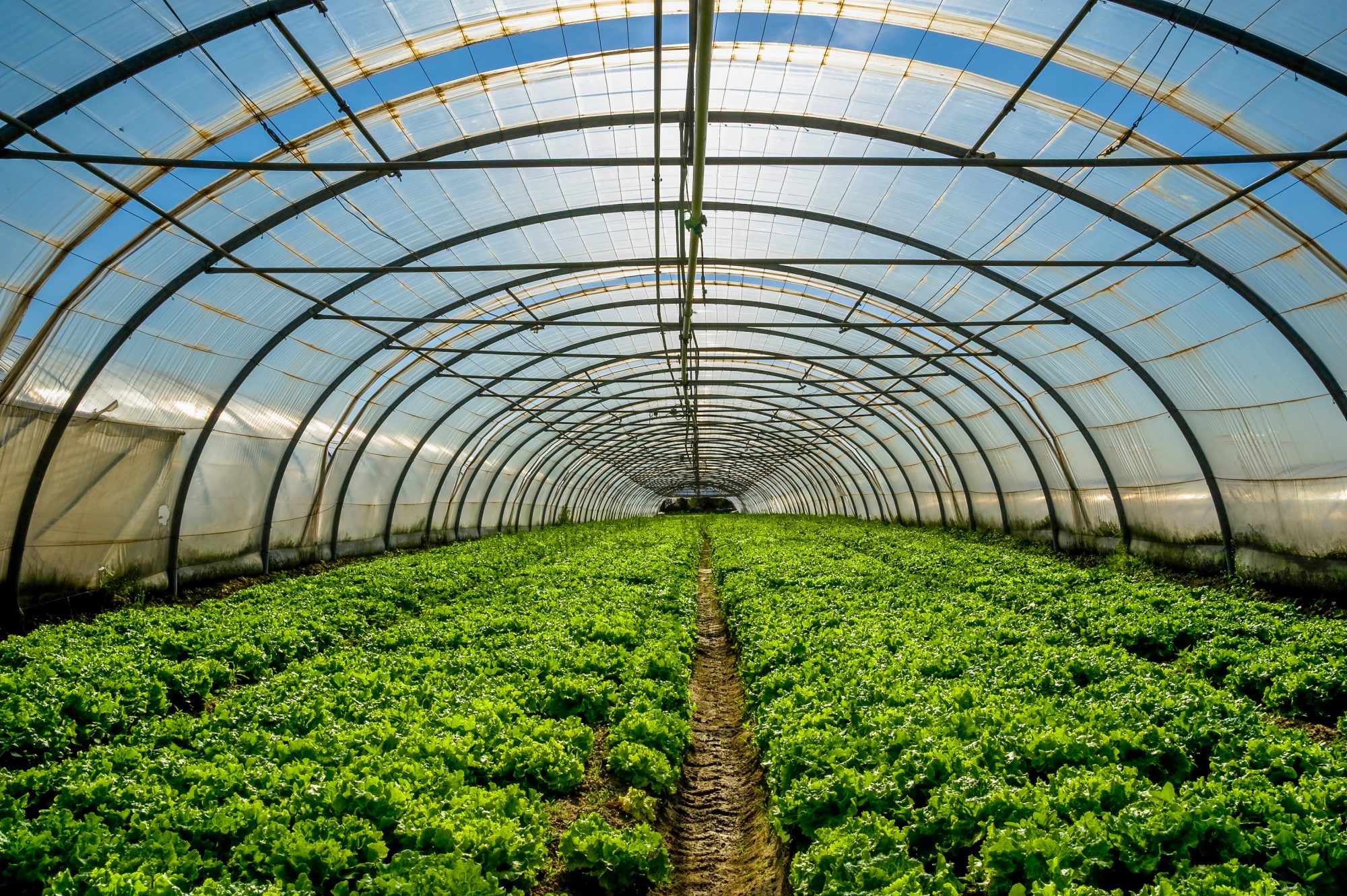
Conversations on agricultural labor in prisons and cannibalistic behavior from early humans
by Joshua Zaffos Anthropology and Geography | Faculty & Staff | Research & CreativeAnthropology and geography help us see the world differently. They uncover the systems and connections that shape human lives and landscapes, asking questions that matter: How do power and place influence opportunity? What stories do bones and environments tell about survival and society? And how can knowledge spark change and inform solutions for today’s most pressing challenges?
Our department asks – and helps answer – these questions through fieldwork, research, and applied projects around the country and the world. Since 2023, CSU Anthropology and Geography faculty research has gained global news and science media coverage, including The New York Times, CNN, NBC News, National Geographic, BBC, Smithsonian, The Nation, and beyond. CSU’s research podcast, The Audit, caught up with Carrie Chenault to explore her research on the required agricultural labor of inmates and with Michael Pante on his research showing signs that early humans may have butchered each other.
Farming Behind Bars
Assistant Professor of Geography Carrie Chennault and collaborator Associate Professor of Sociology Josh Sbicca discuss how the Prison Agriculture Lab uncovers a hidden system: agriculture inside U.S. prisons. Analyzing more than 600 programs nationwide, their research reveals how narratives of rehabilitation and sustainability intersect with power structures that keep people incarcerated – raising urgent questions about justice, labor, and reform.
 Assistant Professor Carrie Chennault
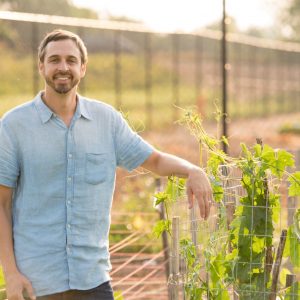 Associate Professor Josh Sbicca
Prison Agriculture Lab Episode Transcript
The Oldest Taboo
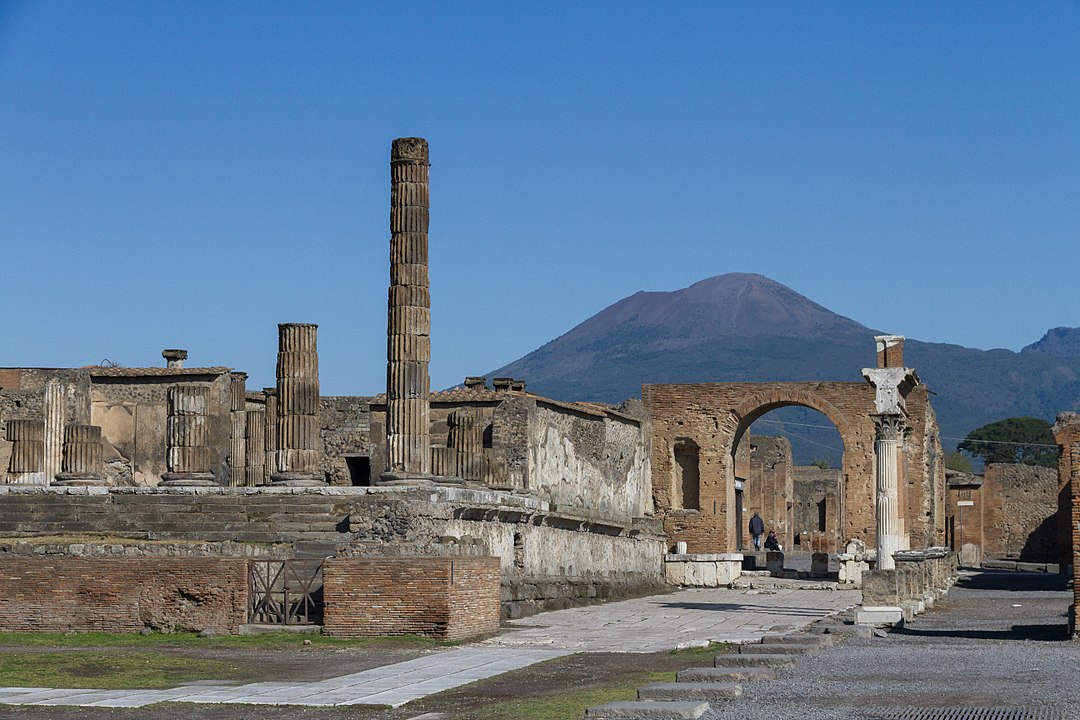
This episode takes us back 1.45 million years, where Professor and Department Chair Michael Pante, a paleoanthropologist, explains groundbreaking evidence that early humans butchered, and potentially ate, one another. Using cutting-edge 3D analysis, his team decoded tiny cut marks on a fossil tibia, reframing one of humanity’s oldest taboos and advancing methods that transform how we study the past.
 Professor and Chair Michael Pante
Michael Pante Episode Transcript
Liberal Arts Impact
Colorado State University’s College of Liberal Arts is a vibrant community of artists, thinkers, storytellers, and scientists who examine the human experience. In these podcasts, our faculty share their areas of expertise and talk about why their work matters in our world today.
Faculty and staff recorded their podcasts with CSU’s Center for Science Communication through the leadership of Associate Professor Jaime Jacobsen and her graduate students in the Department of Journalism and Media Communication.
Listen on Spotify
Comments