Tag: College of Liberal Arts
-
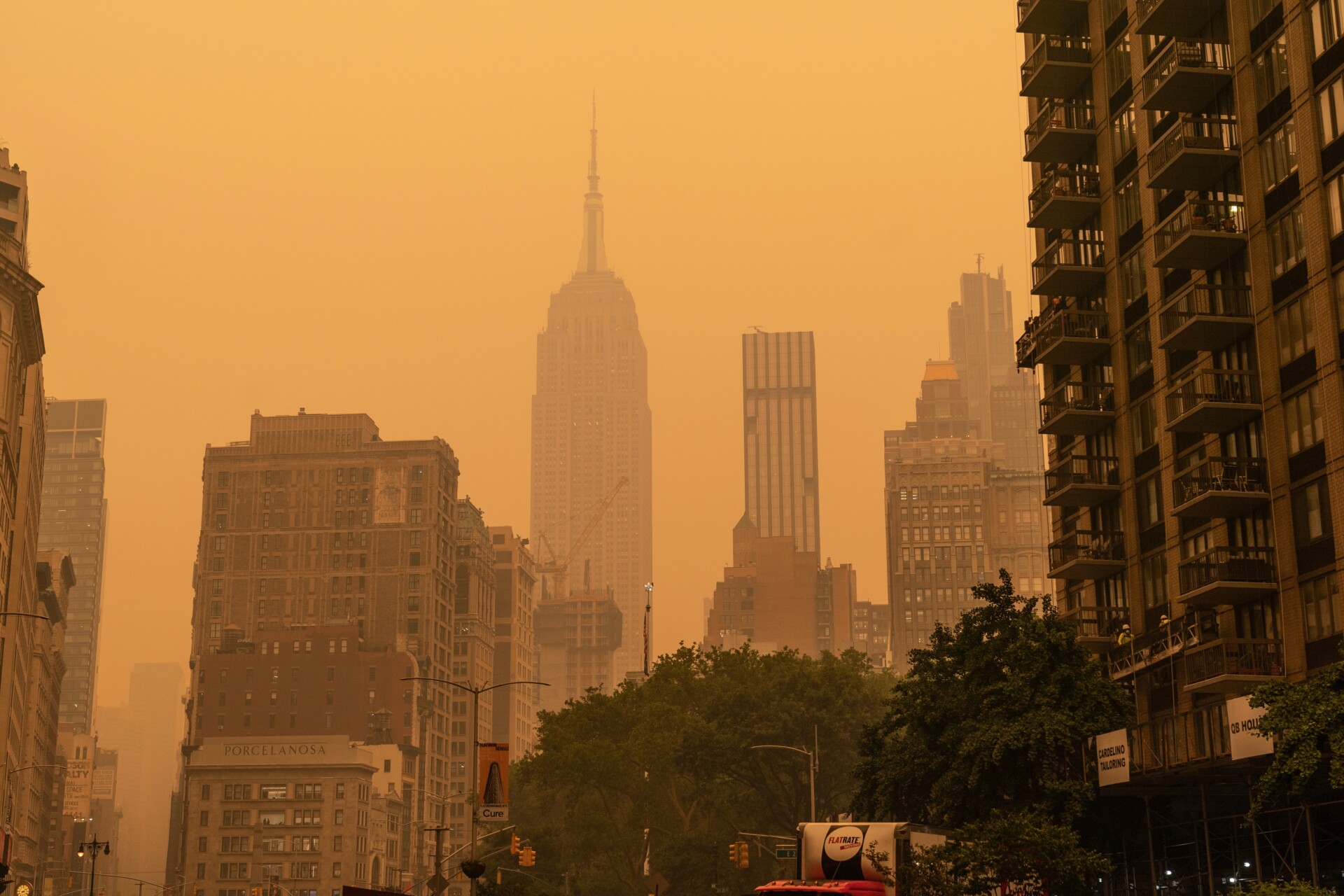
When it comes to wildfires, history isn’t as useful as it used to be
by
Read More: When it comes to wildfires, history isn’t as useful as it used to beThe impacts of wildfire can be devastating, but the widespread nature of those impacts and their full costs to society are still being researched.
-
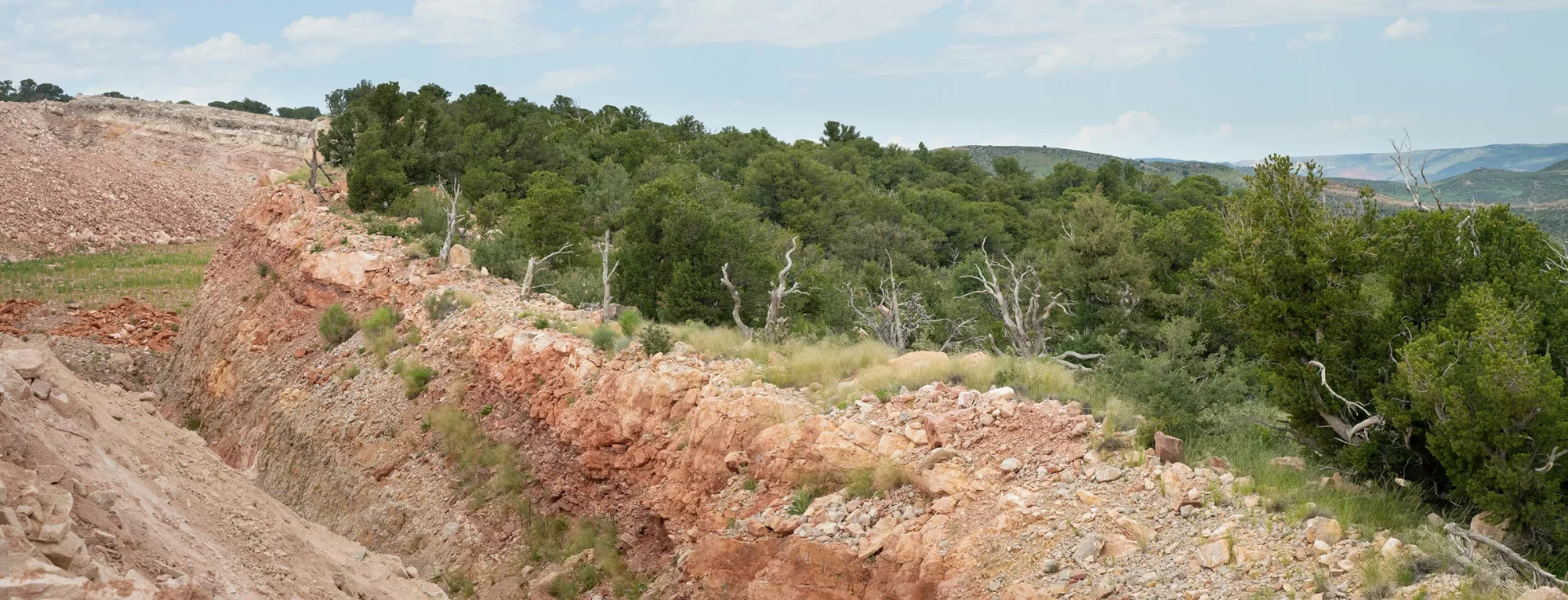
Saving the mysterious piñon pines of Owl Canyon
by
Read More: Saving the mysterious piñon pines of Owl CanyonA pine grove in Owl Canyon is 150 miles away from the next closest stand of piñons. So, how the heck did it get there?
-

Were early humans cannibals? CSU paleoanthropologist talks about new findings regarding the oldest taboo
by
Read More: Were early humans cannibals? CSU paleoanthropologist talks about new findings regarding the oldest tabooColorado State University paleoanthropologist Michael Pante talks about this important discovery, what it means for future fossil research, and what was it that led our early ancestors to eat each other.
-
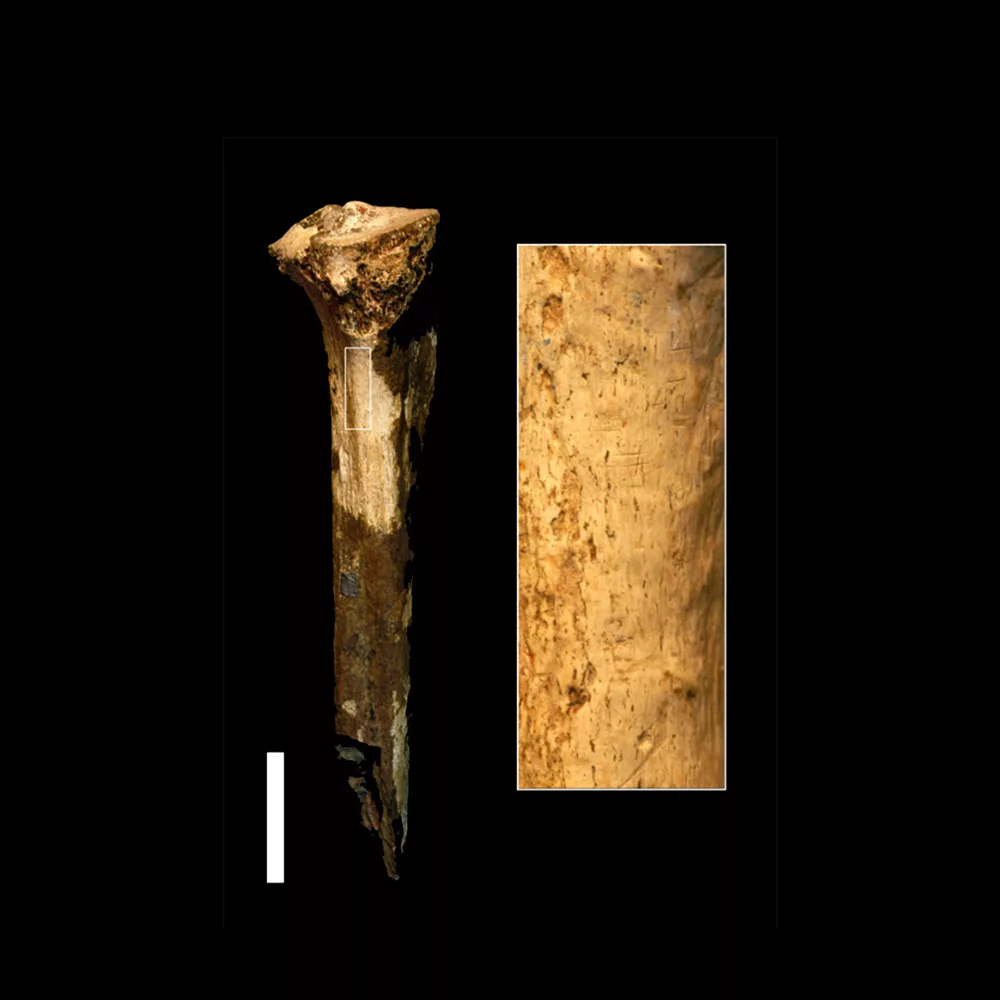
A case of cannibalism?
by
Read More: A case of cannibalism?Smithsonian, CSU researchers uncover how humans’ relatives butchered one another 1.45 million years ago.
-

A case of cannibalism? Smithsonian, CSU researchers uncover how humans’ relatives butchered one another 1.45 million years ago
by
Read More: A case of cannibalism? Smithsonian, CSU researchers uncover how humans’ relatives butchered one another 1.45 million years agoThe research is the first application of the 3D quantitative method — developed and published by CSU professor Michael Pante in 2017 — to a fossil specimen.
-
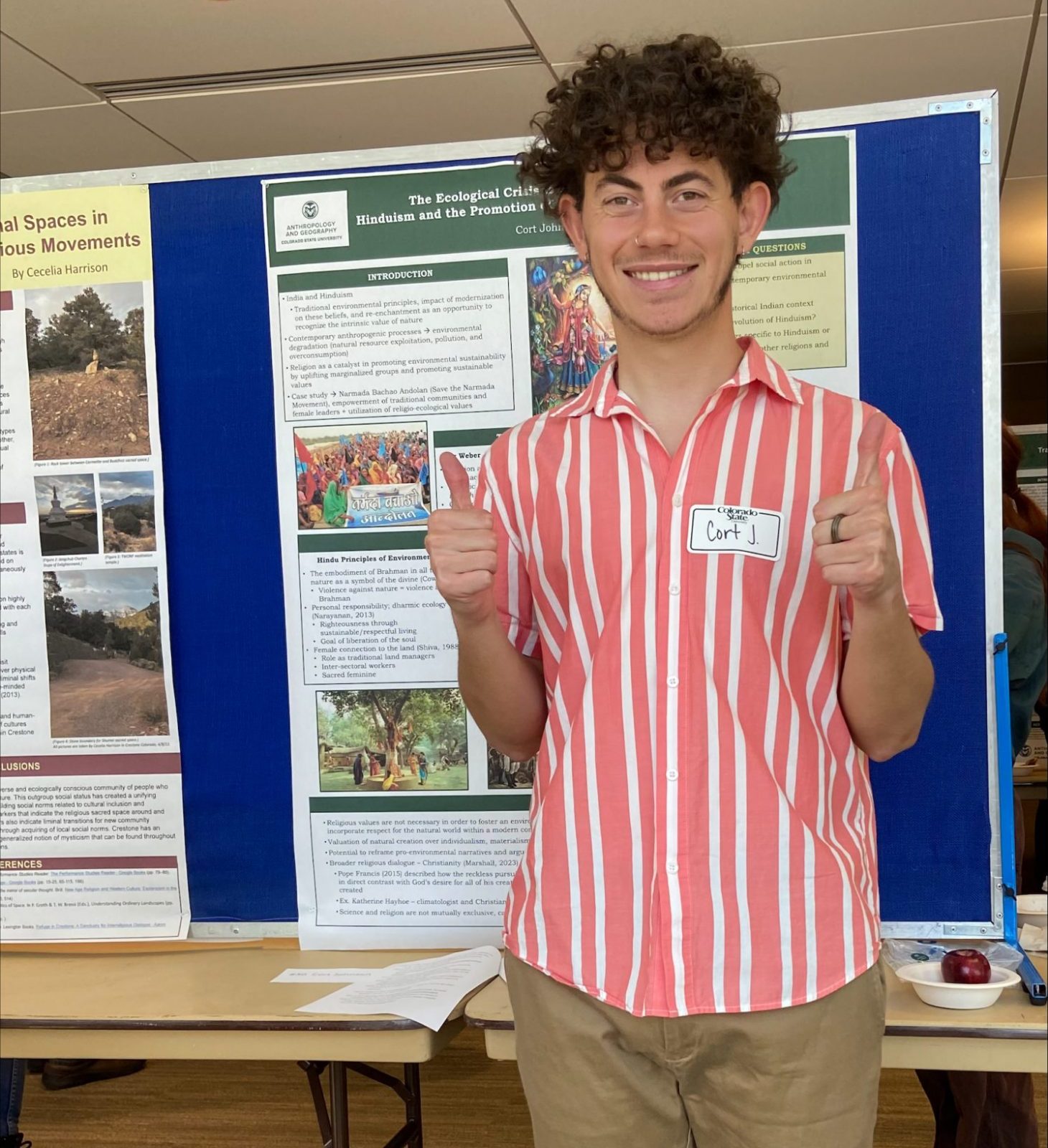
Outstanding Grad: Cort Johnson
by
Read More: Outstanding Grad: Cort JohnsonCort Johnson is recognized as an outstanding graduate for being an exemplary scholar, researcher, and athlete.
-
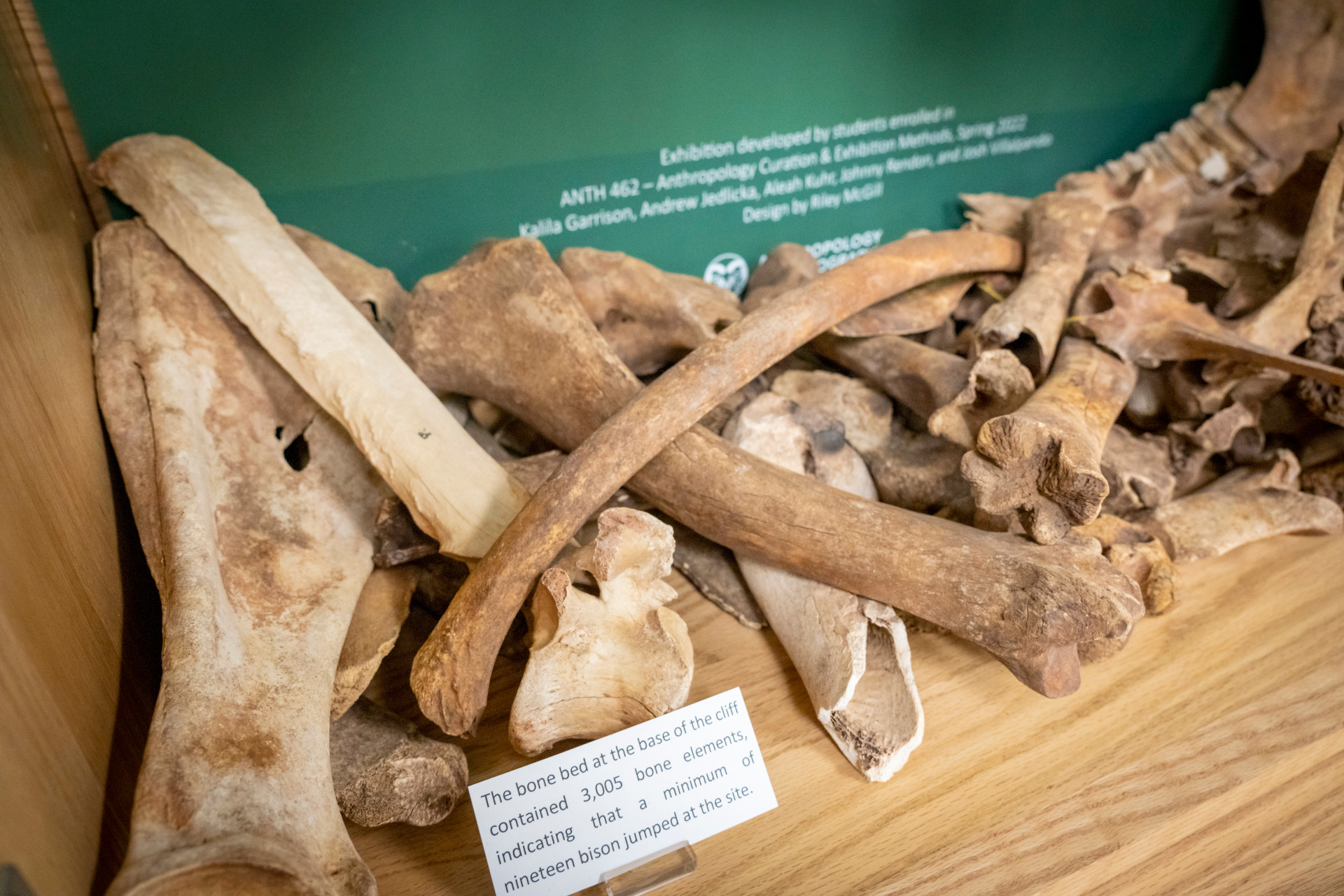
Just what is in the Clark A basement?
by
Read More: Just what is in the Clark A basement?The subterranean floor of Clark holds jaw-dropping collections of artifacts – along with actual jaws of bison and other fauna – within the CSU Archaeological Repository and other labs and research spaces of the Department of Anthropology and Geography.
-
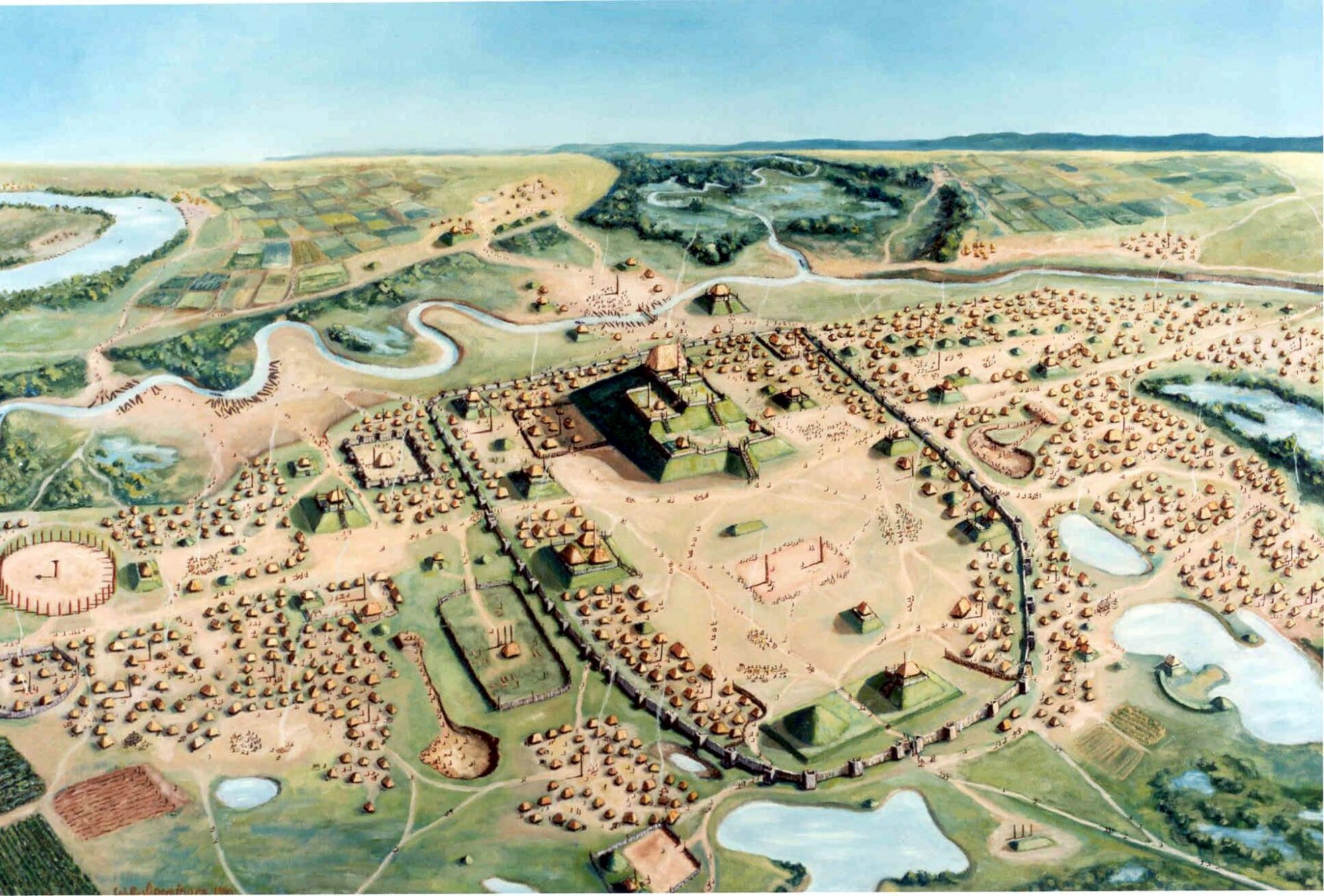
Beyond digging in the dirt: CSU researcher uses geophysical, digital exploration to investigate North America’s first city
by
Read More: Beyond digging in the dirt: CSU researcher uses geophysical, digital exploration to investigate North America’s first cityGeoarchaeologist Ed Henry and colleagues received a $312K NSF grant to investigate the mounds at Cahokia, the largest and most influential urban settlement of the Mississippian culture in 1050 C.E., using magnetometry instruments that are non-invasive and non-destructive.
-
Celebrate CLA! Faculty and staff recognized for outstanding contributions to teaching, research, and service in 2023
by
Read More: Celebrate CLA! Faculty and staff recognized for outstanding contributions to teaching, research, and service in 2023The College of Liberal Arts acknowledges the accomplishments and efforts of the outstanding faculty, staff, and volunteers for 2023.
-
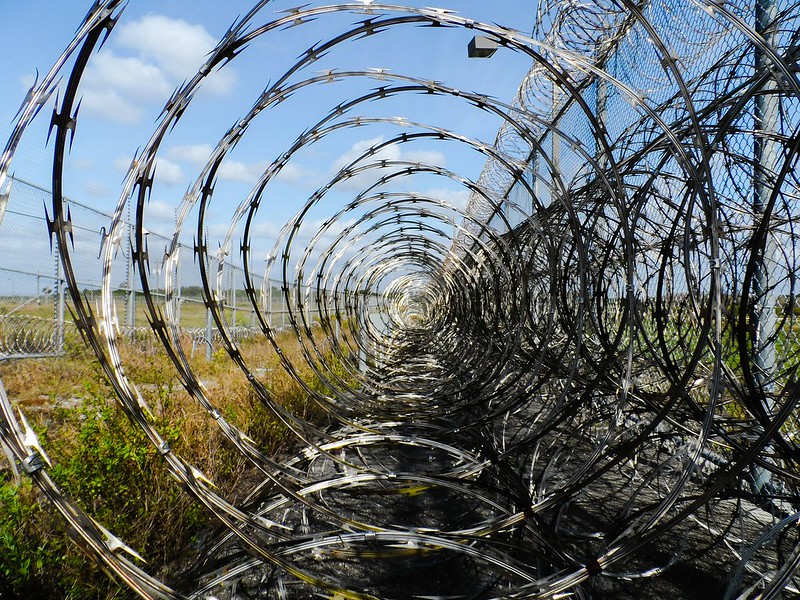
The Audit: CSU’s Prison Agriculture Lab researches the roots, impact of the prison agriculture industry
by
Read More: The Audit: CSU’s Prison Agriculture Lab researches the roots, impact of the prison agriculture industryThere are more than 600 prison agricultural programs currently in the United States, but very little data looking at the how, what, and maybe most importantly, why of these programs. Colorado State University’s Prison Agriculture Lab is looking to change that. Co-directors Joshua Sbicca and Carrie Chennault talk about the…