
Biological Anthropology Concentration
We address revolutionary, anatomical, genetic, and biological questions about humans today and in the past.
Biological anthropology is uniquely situated between the biological and social sciences; it provides an evolutionary perspective on the adaptations that make us human. We investigate how and when these traits arose, and what they tell us about our relationship to nonhuman primates and each other.
Biological Anthropology at CSU
Our biological anthropology program provides a broad range of courses designed to provide foundational knowledge in the classroom and further engage students in experiential learning in our lab and field school courses.
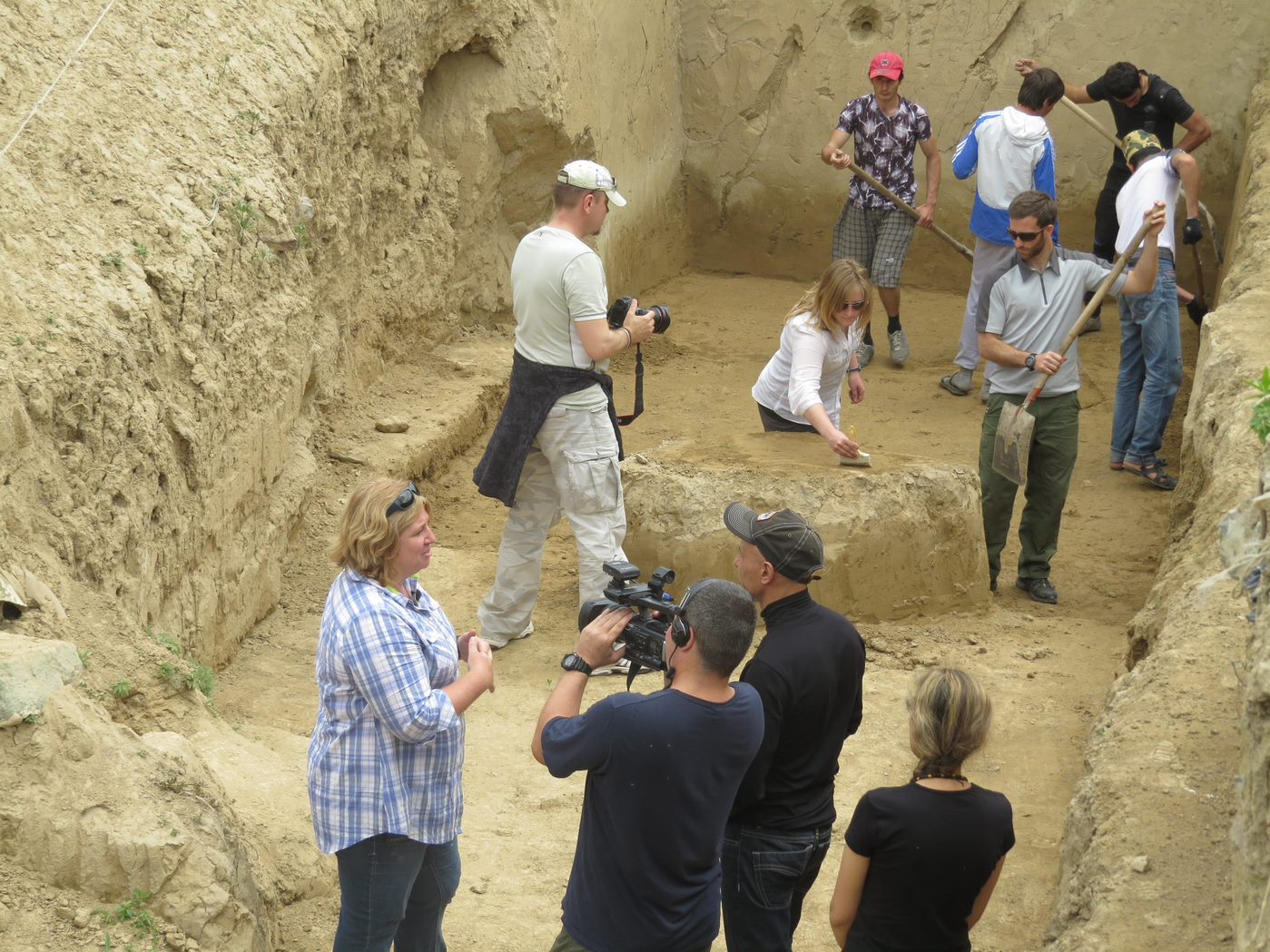
Our Paleontology Field School course provides training and experience in field and lab research methods every summer.
Careers in Biological Anthropology
The graduate in biological anthropology has the technological skills and disciplinary insights to pursue careers in health and medicine, criminal investigation, sports medicine, education, zoology, genetics, conservation biology, and museum curation. Understanding modern human variation from an anthropological perspective prepares our graduates to contribute a culturally-informed approach to biological professions.
CSU Biological Anthropology Course Subjects Include:
- Forensic Anthropology
- Human Biology and Health
- Human Origins and Variation
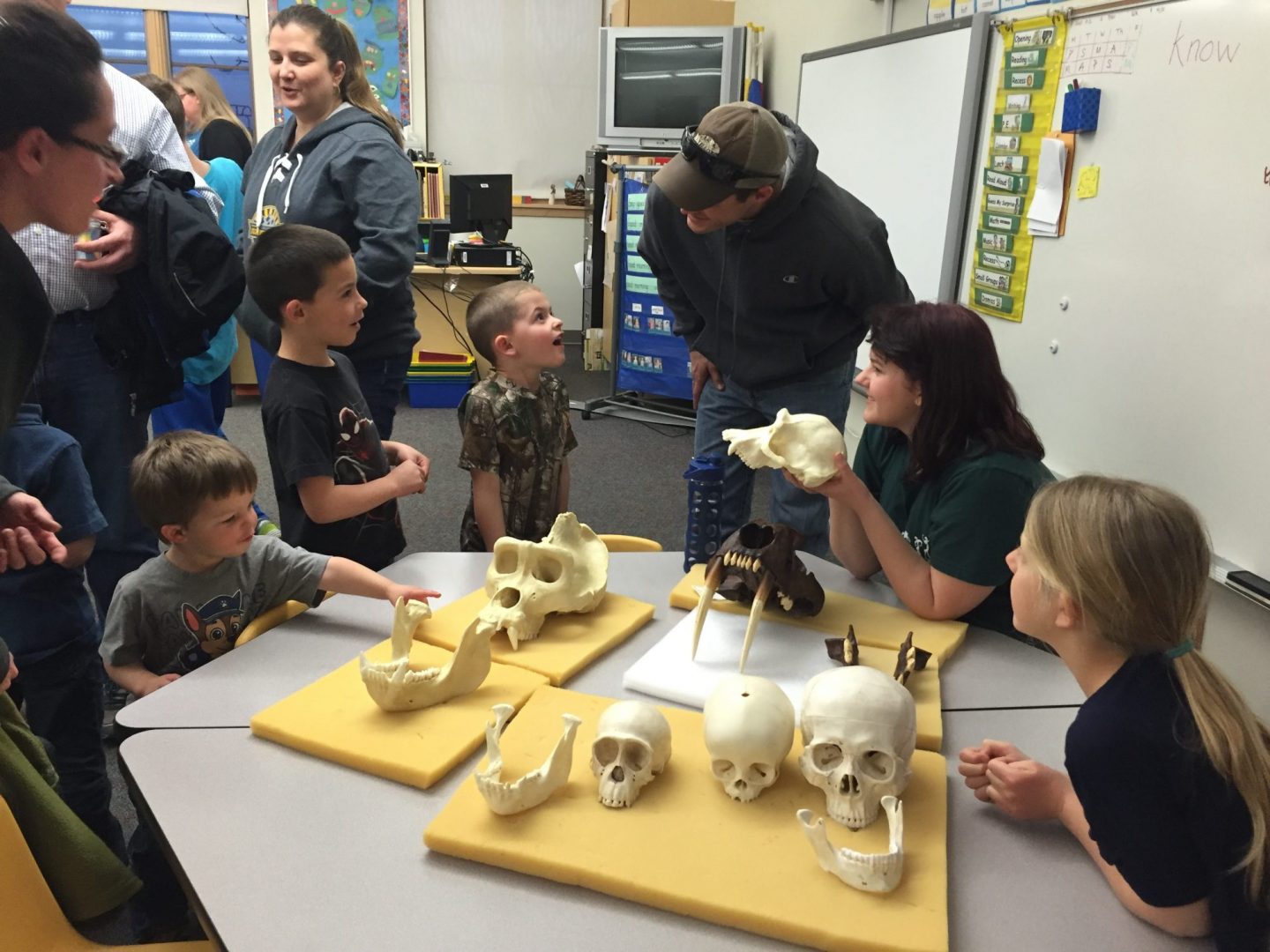
- Osteology
- Primate Behavior and Adaptations
- Paleontology
- Paleoanthropology
Biological Anthropology Paths to Success
The following are examples of course sequences that a student may want to take to prepare them for specific jobs or careers
The listed courses for particular career paths are suggestions only, be sure to seek the advice of Keri Canada, your Academic Success Coordinator, as well as professors to choose courses best suited for your career endeavors. Also, be sure to consult the Biological Concentration checksheet so that you enroll in all the required courses. In addition, check the CSU Course catalog each semester as new courses are added often.
Some students may be interested in careers in conservation and ecotourism. Jobs for these careers are found at Jane Goodall Institute, Conservation International, Conservation Biology, The Nature Conservancy, and the African Wildlife Foundation.
- ANTH 370 – Primates
- ANTH 371 – Growing Up Primate
- ANTH 372 – Human Osteology
- ANTH 375 – Evolution of Primate Behavior
- ANTH 376 – Evolution of Human Adaptation
- ANTH 378 – Bipedal Apes
- ANTH 465 – Zooarchaeology
- ANTH 470 – Paleontology Field School
- ANTH 475 – Methods of Analysis in Paleoanthropology
Primatologists work in zoos caring for primates, conduct field research, and work in the lab. Jobs in this category may be found at Primate Info Net at University of Wisconsin-Madison, Denver Zoo, and Cheyenne Mountain Zoo.
Field Schools
Internships
- ANTH 275 – Introduction to Forensic Anthropology
- ANTH 372 – Human Osteology
- ANTH 374 – Human Biological Variation
- ANTH 377 – Anthropological Perspectives: Evolution, Society
- ANTH 379 – Evolutionary Medicine & Human Health
- ANTH 472 – Human Biology
Forensic anthropologists, medical examiners, and coroners use osteological and anatomical training to make forensic identifications involving deceased humans. This career path requires graduate-level education; however, some undergraduates find positions as forensic/medical technicians or laboratory scientists using biological training and quantitative skills gained in the program. Jobs in this category are found at UC Health, Banner Health, Health District of Larimer County, Larimer County, and American Academy of Forensic Sciences.
Field Schools
Internships
- ANTH 281A2 – Introduction to Museum Studies
- ANTH 372 – Human Osteology
- ANTH 373 – Human Evolution
- ANTH 457 – Lithic Technology
- ANTH 465 – Zooarchaeology
- ANTH 456 – Archaeology and the Public
- ANTH 462 – Anthropology Curation & Exhibition Methods
Museum curators, collections assistants, and education officers and coordinators are tasked with the organization, management, preservation, and interpretation of artifact collections held in museums, repositories, and interpretive centers. Jobs in this category are found at Fort Collins Museum of Discovery, Denver Museum of Nature and Science, and the Museum Employment Resource Center.
Field Schools
Internships
- ANTH 340 – Medical Anthropology
- ANTH 372 – Human Osteology
- ANTH 376 – Evolution of the Human Adaptation
- ANTH 379 – Evolutionary Medicine & Human Health
- ANTH 416 – Gender, Culture, and Health
- ANTH 472 – Human Biology
Some students may be interested in public health or medical careers. Our program prepares students for graduate-level education in epidemiology, nutrition and exercise, global health, medicine, nursing or dentistry. In addition to the resources above, jobs in this category are found at Centers for Disease Control and Prevention (CDC), the Pan American Health Organization, and the World Health Organization.
Field Schools
Internships
Our Faculty
The Biological Anthropology Program Reflects the Overlapping and Diverse Research interests of our Faculty
-
Andrew Du
- Assistant Professor
-
Connie Fellmann
- Associate Teaching Professor
-
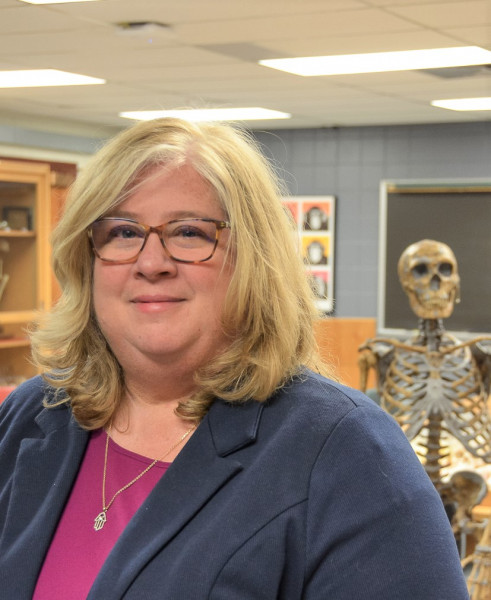
Michelle M. Glantz
- Professor
- Interim Chair of Race, Gender, and Ethnic Studies
-
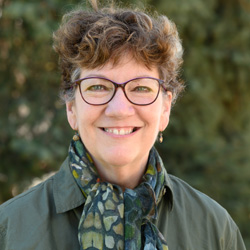
Kim Nichols
- Associate Teaching Professor
-
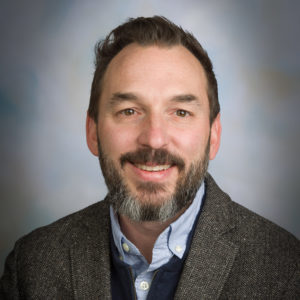
Michael Pante
- Professor and Chair
-
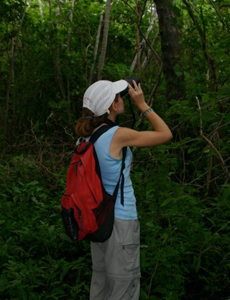
Melissa Raguet-Schofield
- Instructor
Undergraduate Spotlight: Kaia Ranouf
Opportunities for Biological Anthropology Students
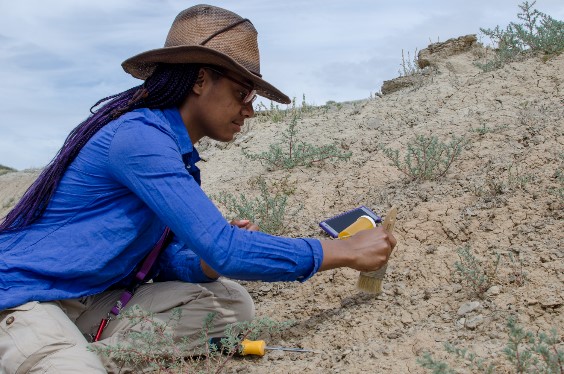
Experiential immersion in our Paleontology Field School
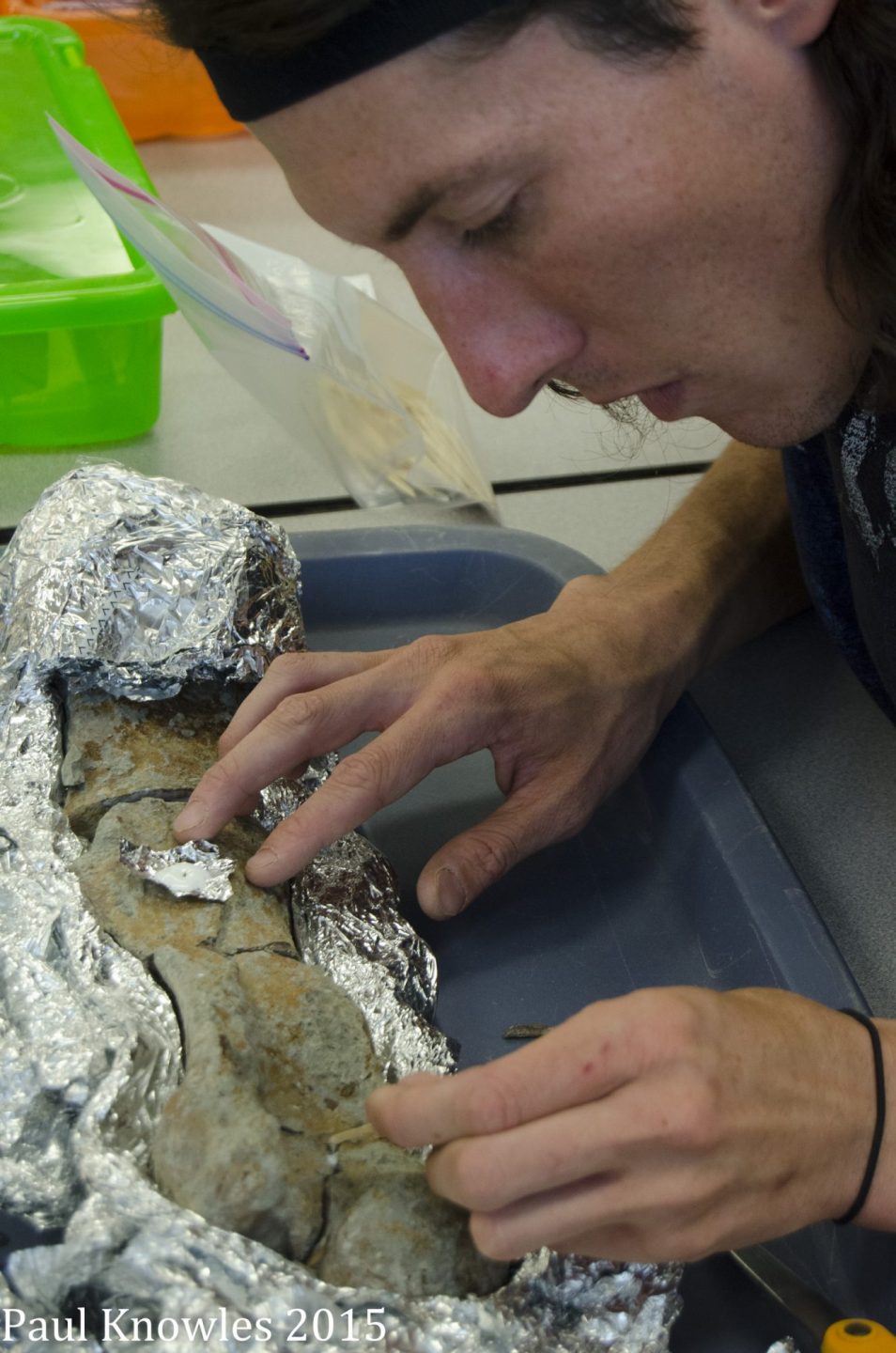
Engagement in original research with faculty mentorship

Participation in diverse field experiences nationally and internationally
Biological anthropology students at CSU are encouraged to engage in research. Faculty-supervised student research projects and independent studies may concern lab management (museum curation, material processing, specimen preparation), lab research (research design, methods, assessment, publication), and training in new technologies (3D imaging, statistical analysis, computer programs).
CSU Biological Anthropology Labs
Testimonials
The biological anthropology program at CSU provides students with opportunities to learn through experience and mentorship. As a result, our graduates have followed paths to successful careers in non-academic and academic fields.