Minors & Certificates in Anthropology and Geography
Our minors and certificate are open to all students regardless of your major!
Adding a department minor can broaden your knowledge across disciplines and strengthen your career options. Choose from our minors in Anthropology, Geography, Geographic Information Science and Analysis, or Forensic Anthropology, to further explore fields that complement your major and interests and help you stand out for jobs and career roles.
Our Museum and Cultural Heritage Studies Undergraduate Certificate prepares you for entry-level roles in museums, cultural heritage sites, and public education and builds a strong foundation for advanced study and careers in cultural heritage management, museums and collections, and collaborating with Indigenous communities.

Anthropology Minor
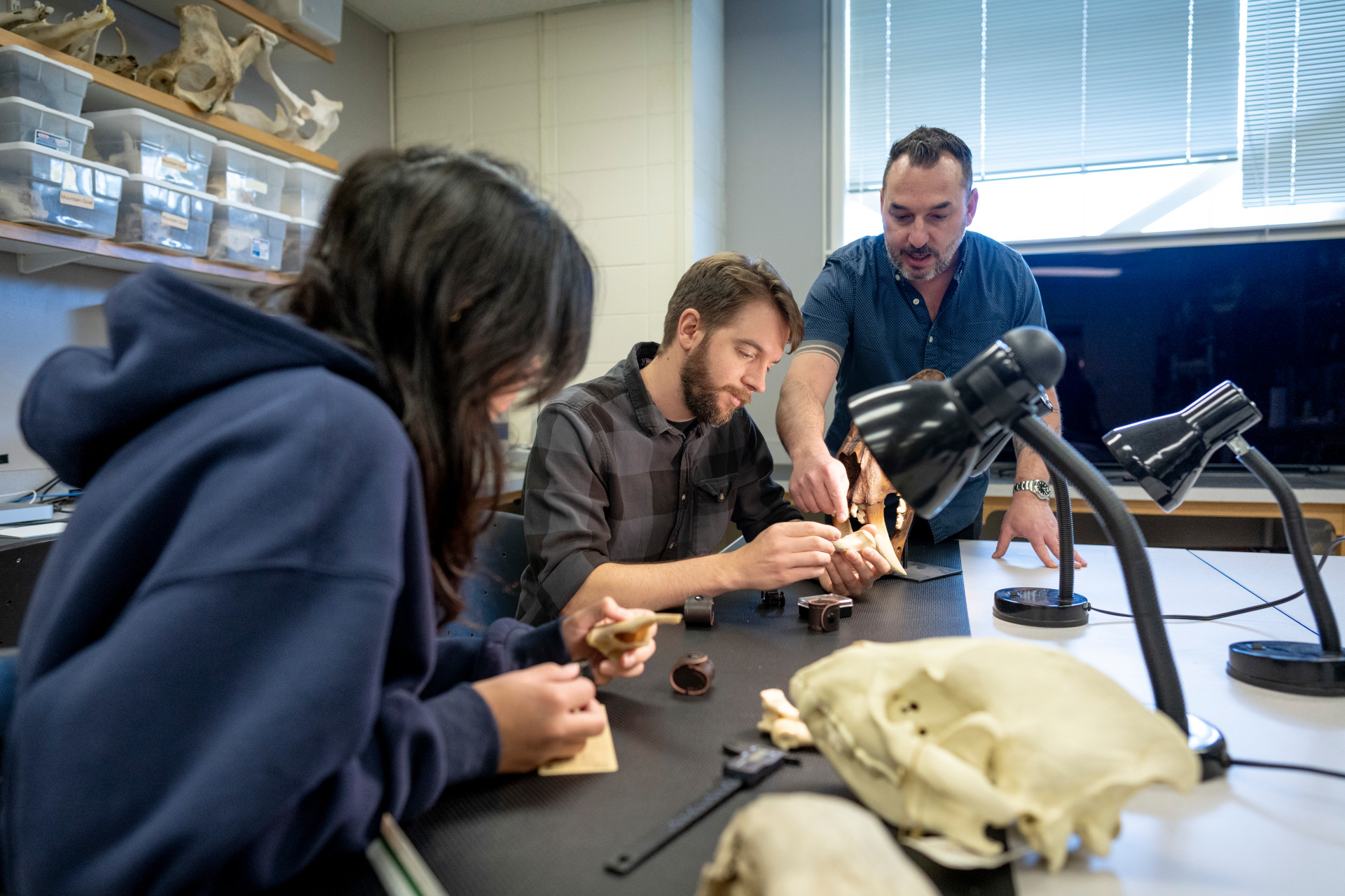
An Anthropology minor is an excellent complement to other degrees and career tracks. CSU anthropology students learn about human cultural and biological variation in the past and present. In this program, you will gain an understanding of the social, environmental, political, and economic systems in which humans operate – with attention toward addressing present and future social and environmental challenges.
Open to all students, the Anthropology minor may focus on one or more of the sub-disciplinary divisions such as biology, archaeology, cultural anthropology, or applied anthropology. The minor may also be distributed across the fields, similar to the requirements of the major.
Students pursuing this minor will complete 22 total credits, including 12 or more upper-division (300- to 400-level) credits.
Forensic Anthropology Minor
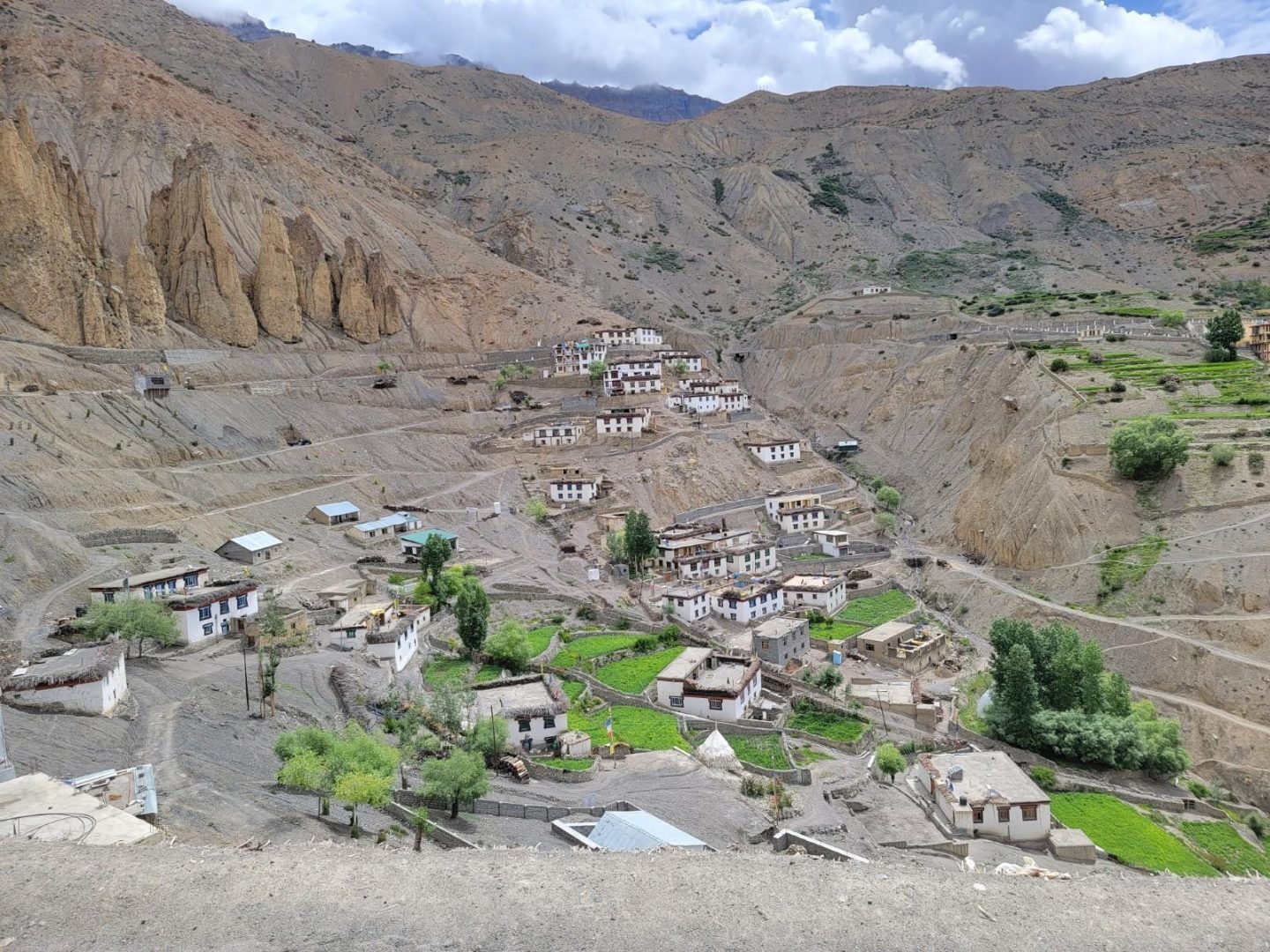
Forensic anthropologists provide expert analysis of the skeleton in a medical-legal setting by utilizing methods developed in skeletal biology, archaeology, and the forensic sciences. Forensic anthropologists also play critical roles in identifying victims of mass fatalities, homicides, and distinguishing cause and manner of death. This includes providing information on the identity of the deceased and the circumstances of their death. They also assist in the search, recovery, and identification of human remains.
The Forensic Anthropology minor is open to all majors and interdisciplinary with electives in archaeology, biological anthropology, sociology, biology, and biomedical sciences. Students who complete the program take 21-22 course credits, including three required Anthropology classes and additional upper-division classes offered through multiple departments.
When you complete this minor, you will acquire skills that are valuable to careers in law enforcement and crime scene investigation. These skills are also in demand in medical examiner and coroner offices, educational institutions, museums, and state and federal agencies.
Geographic Information Science and Analysis Minor
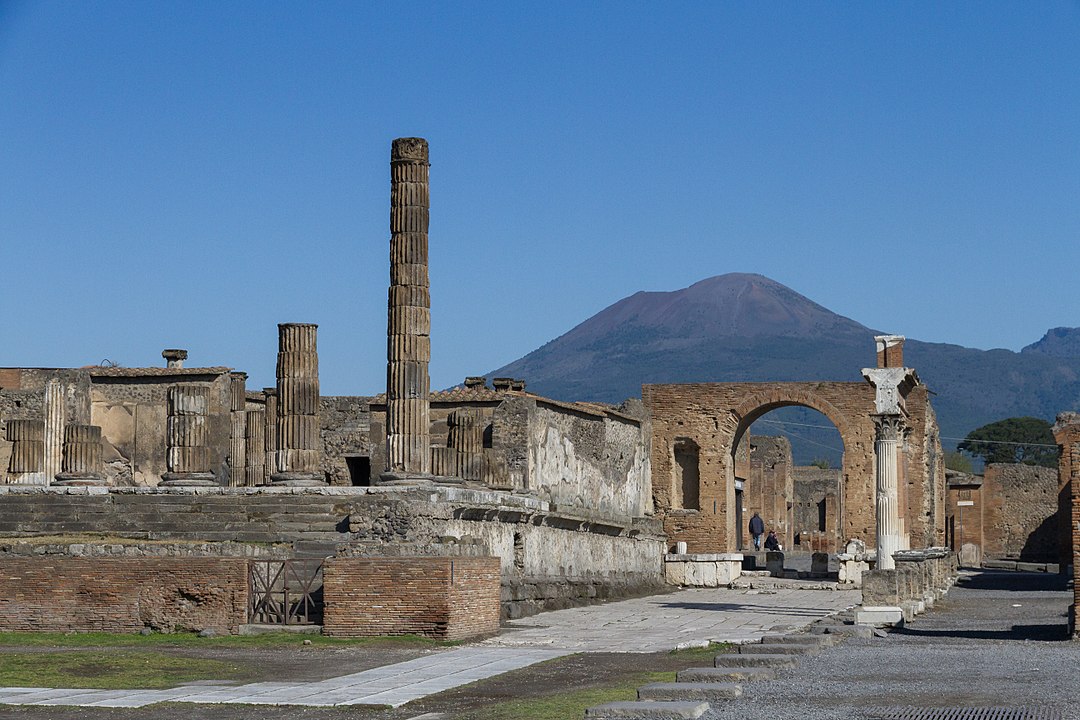
The Geographic Information Science and Geographic Analysis minor offers broad interdisciplinary applications for students desiring to gain a background in geographic theory, methods, tools and technical skills. Through the minor – open to all students – you are introduced to analytical methods and the technologies used across different courses and applied lab work. Students complete 21 credits including coursework that familiarizes you with spatial thinking and cartography, geographic information systems (GIS), remote sensing, and land change science.
Minor students who learn to use GIS applications, geospatial analysis and related skills have desired job capabilities across a wide range of careers, including urban and regional planning, marketing and business, energy development, archaeology, agriculture, crime analysis, conservation, engineering, and any number of applied fields where geographic analysis is a valuable skillset.

Geography Minor
Geography students at CSU gain a background in spatial thinking to address the causes and impacts of environmental and social change around the world. Students learn about the diversity and evolution of human interactions with the environment across space, between places and over time, and interpret physical and social geographic patterns and processes.
The minor in Geography examines the critical interactions among space, place, people, and the built and natural environment. These perspectives are used to interpret the spatial and temporal distribution of features and processes by applying spatial techniques and information technologies such as Geographic Information Systems (GIS) and theory and practice in human geography. This minor is open to all students.
Students pursuing this minor will complete 21 total credits, including required introductory and Cultural Geography classes, and 12 or more upper-division (300- to 400-level) credits.
Museum and Cultural Heritage Studies Undergraduate Certificate
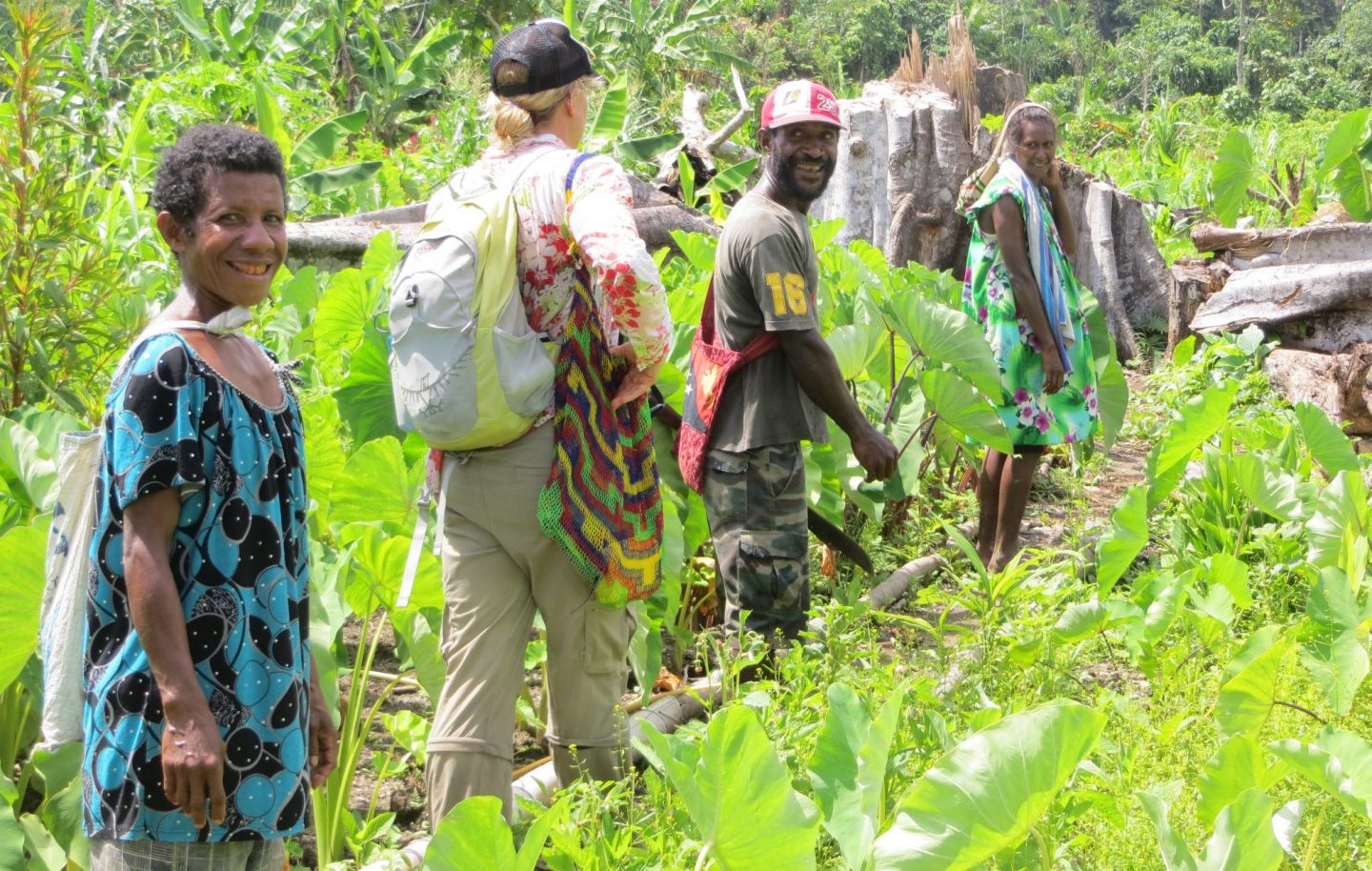
Our 12-credit, undergraduate certificate in Museum and Cultural Heritage Studies prepares you for entry-level careers in museums, cultural heritage sites, national parks and heritage areas, and similar venues that promote preservation, public outreach and education. This certificate is the first of its kind in Colorado and open to all students.
Core courses of the certificate introduce students to the history of museums, cultural heritage management, curation, artifact handling, collections management, interpretation, exhibitions, ethics, and working with Indigenous communities.
Museum and Cultural Heritage Studies students also complete a practicum or internship to gain firsthand applied experience. Students work in museums, cultural centers, the CSU Archaeological Repository, and other spaces to gain an understanding of the principles and tasks of museum work and the day-to-day operations of cultural-heritage organizations.
When you graduate with a Museum and Cultural Heritage Studies certificate, you’re ready for job opportunities in museum collections and curation, cultural resource management, historical preservation, law and government, art and design, and public education.
Next Steps
Are you interested in joining our community?