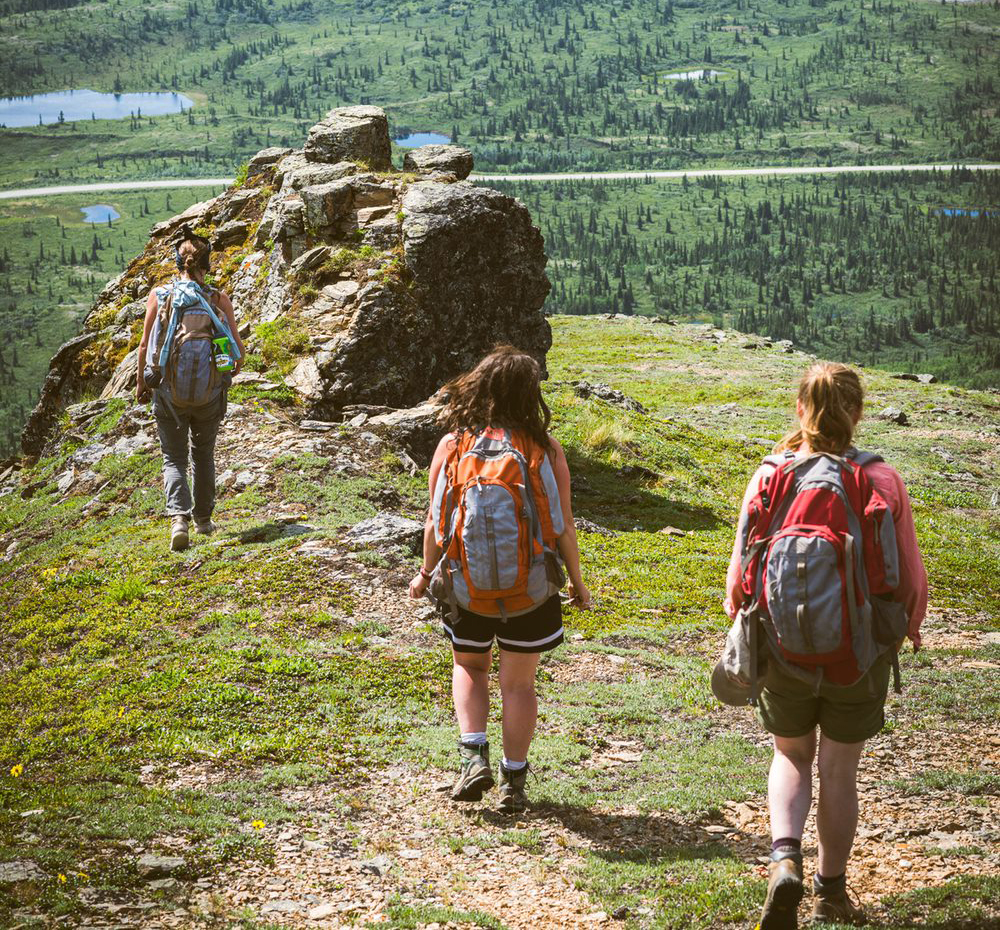
Bachelor of Arts in Anthropology
Anthropology is the study of humanity.
As an Anthropology major, you will join a community dedicated to understanding all aspects of the human condition, past and present.
Undergraduate students can pursue a general Anthropology degree focused on an appreciation of human diversity from a broad and holistic perspective or declare a concentration specializing in Archaeology, Biological Anthropology, or Cultural Anthropology.
The department offers annual summer field programs, diverse online courses, and study abroad opportunities, and offers access to more than a dozen faculty research centers and teaching labs.
Concentrations in Anthropology
We offer six distinct concentrations, allowing you to shape your academic path around what inspires you and matches your future goals.
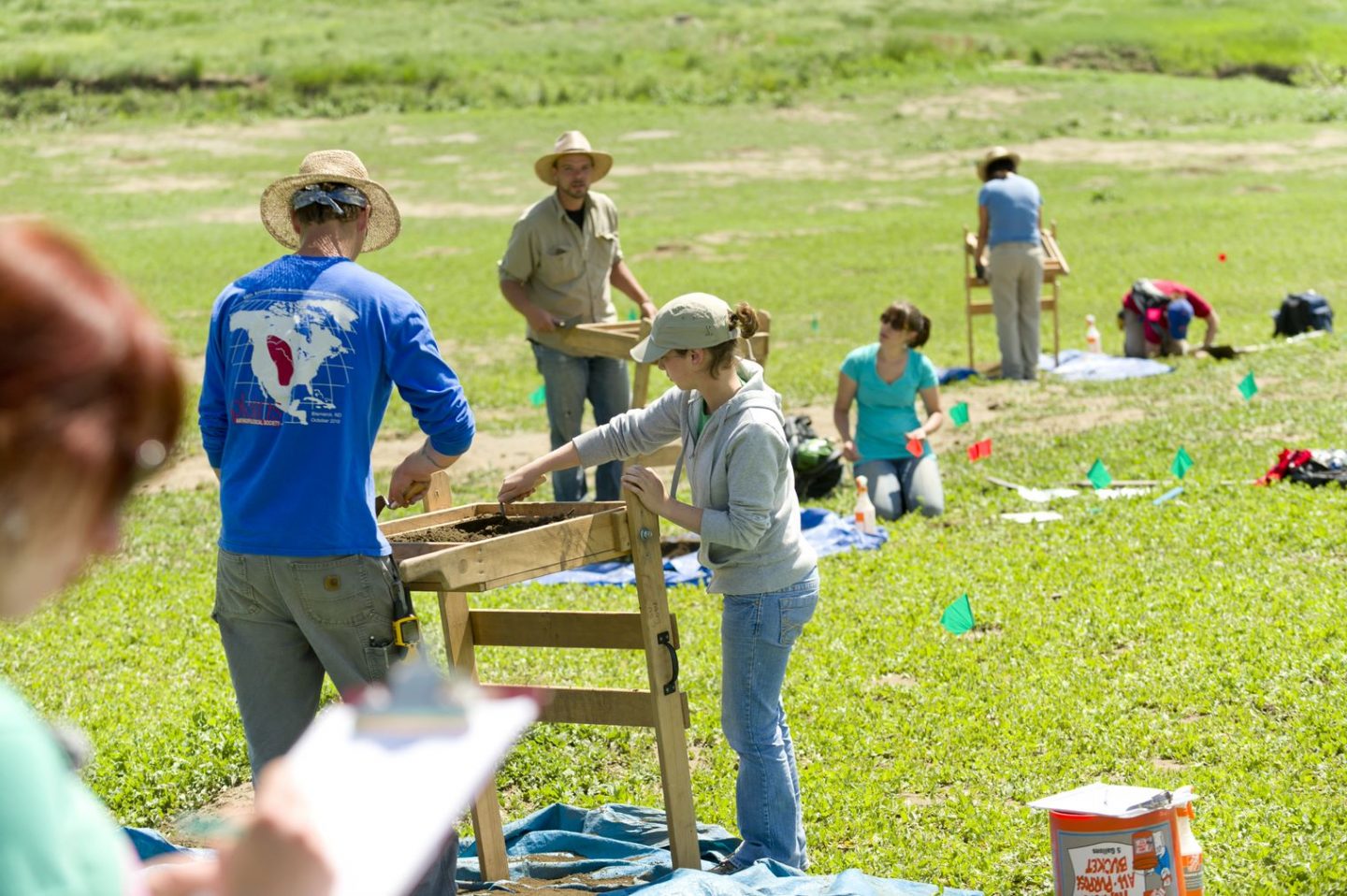
Archaeology
Study ancient and historic societies by examining their material culture in the Americas and worldwide
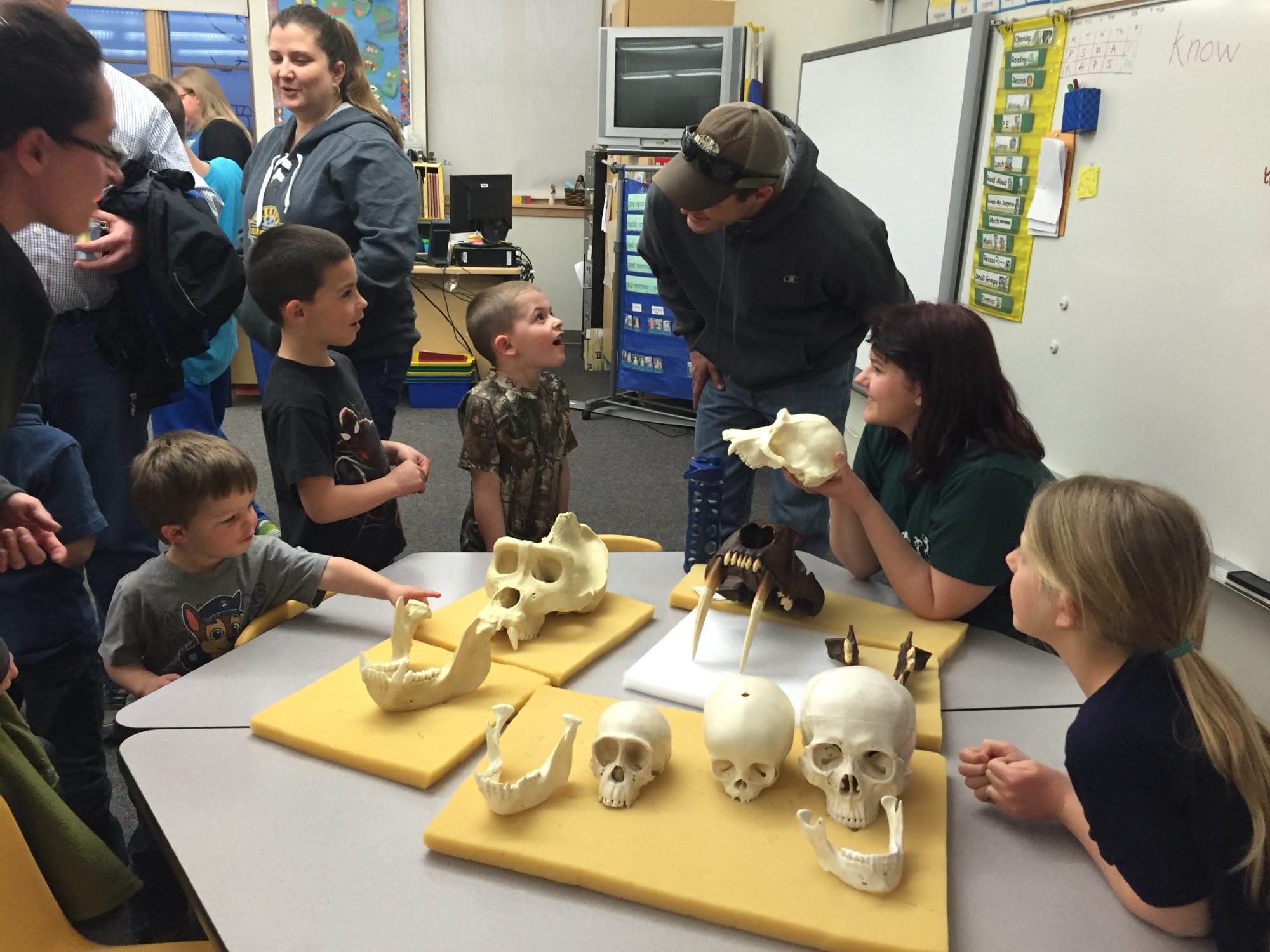
Biological Anthropology
Explore human evolution, including modern adaptations, global health, and primate diversity

Cultural Anthropology
Investigate human cultural diversity around the world with a focus on social theory and fieldwork
Online Programs
Seeking a flexible study schedule with options to learn in the field and abroad? We offer an Online Bachelor of Arts in Anthropology in collaboration with CSU Online, ranked #5 among all U.S. online anthropology degrees (Forbes Advisor 2025).
Degree Requirements
Students in the Anthropology major learn how to study and explain human cultures, societies, environments, and biological diversity across time and around the world using hands-on research, theory, and data-analysis and critical thinking skills. Along the way, you build strong communication, analytical, and problem-solving abilities that prepare you for careers in fields ranging from research and education to nonprofits, business, health, communications, education, and public service.
-
Anthropology 101
Practicing Anthropology (ANTH 101, 1 credit) introduces students to the different areas of anthropology while helping them build practical skills for success in college and beyond. Through hands-on activities and real-world examples, students practice critical thinking, writing, research, communication, and career development skills, while exploring how anthropologists study people, cultures, communities, and the human experience.
-
Core Courses
Whether a general Anthropology major or pursuing a concentration, you take discipline-specific courses that introduce you to theory and practice of our fields and different concentrations, building your own foundation and path from a number of required core courses, including ANTH 100, ANTH 120/121, ANTH 140, and ANTH 200.
-
Capstone Experience
All Anthropology majors complete a Capstone project that is the culmination of your academic journey. With guidance from faculty mentors, you will complete a research project and poster, gaining experience with advanced research and analysis, project management, and developing professional materials and presentations – sought-after skills to prepare you for graduate school pursuits or job searches.
Advising Information
Are you a current student who would like to learn more about adding or completing an Anthropology and Geography major or minor?
Schedule an appointment with one of our dedicated Academic Success Coordinators by contacting the Academic Support Center
Student Experiences
In CSU Anthropology and Geography, you don’t just learn culture and community – you help create it! Undergraduate department clubs, internships, field schools, and abroad classes are a few ways you can find social, professional, and service experiences beyond the classroom.
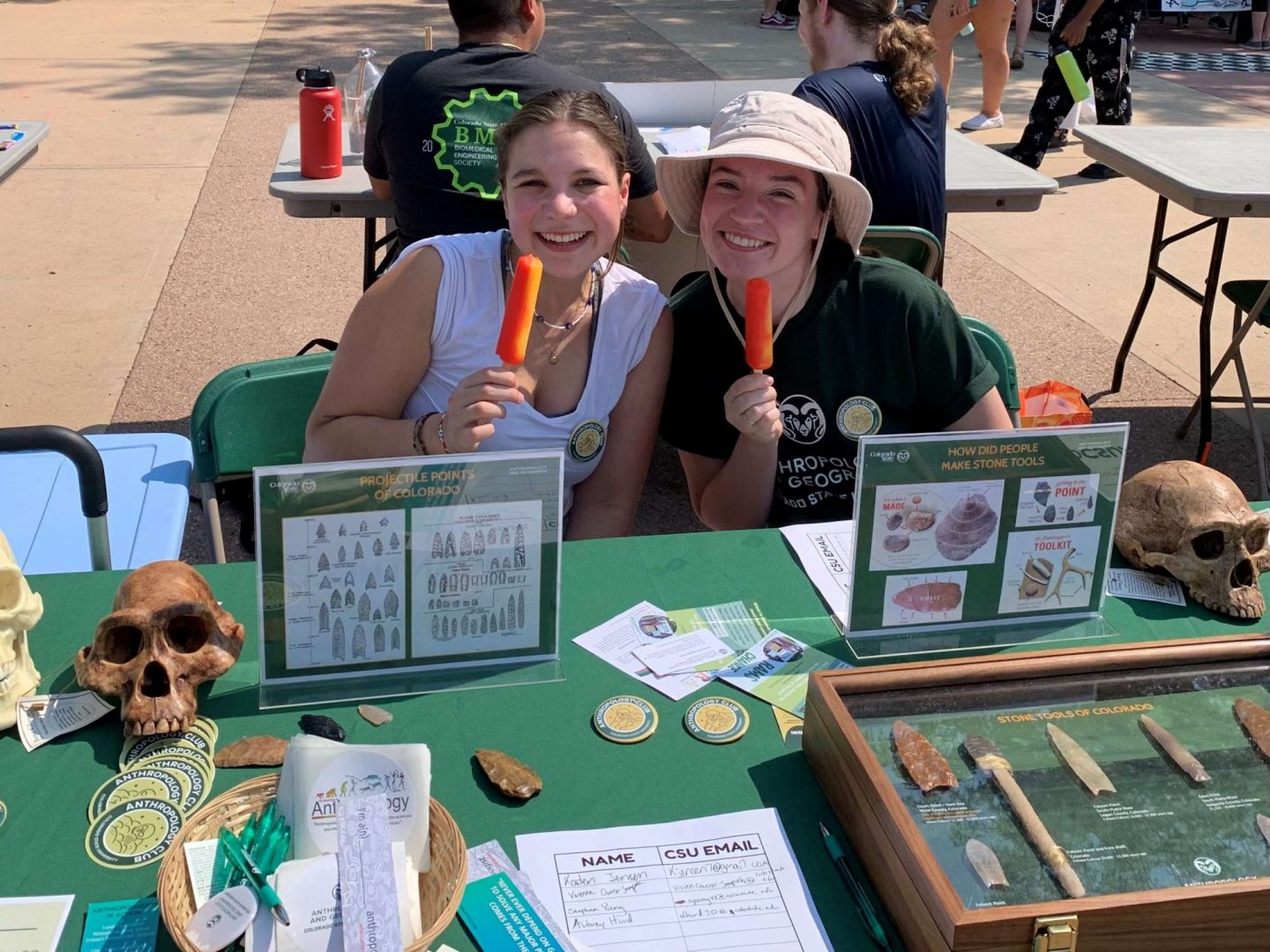
Anthropology and Geography Clubs and Forensic Science Student Society
The undergraduate Anthropology Club and Geography Clubs and Forensic Science Student Society are open to all interested students. Clubs meet several times a month throughout the school year and host social and academic events and gatherings and support department outreach and university service activities.
Field Schools
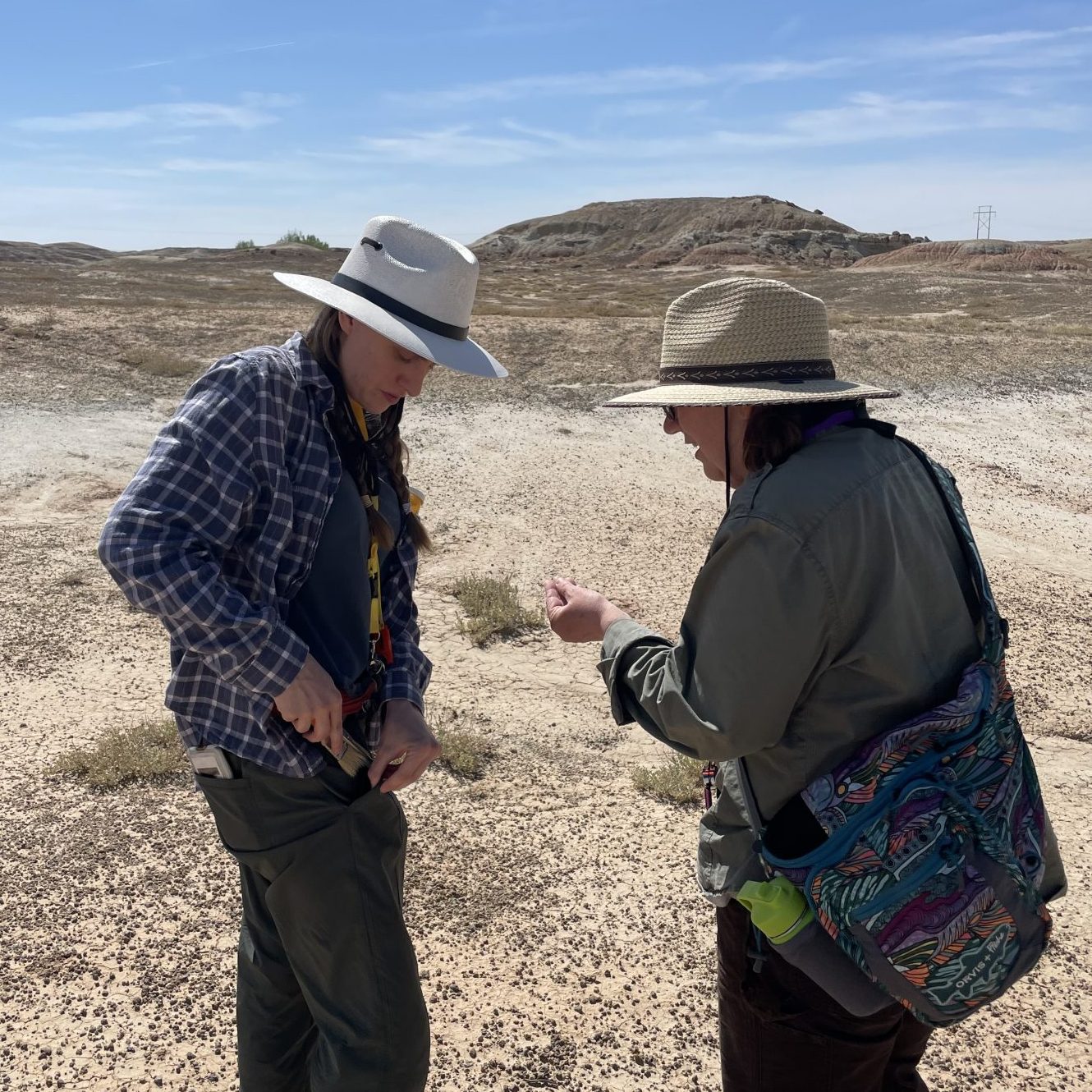
Students gain experiential learning in concentration areas and apply classroom knowledge in real-world settings through department-led field schools that take place in Colorado, Wyoming, Tennessee, and beyond.

Internships & Practicums
You can pursue internships in workplaces and practicums in labs and research centers to gain professional and practical career training that introduces you to research and applied work experiences and builds your resume while earning credit. Students can also complete faculty-directed independent study projects.
Study Abroad Experiences
Department faculty-led abroad classes combine immersive short-term travel with online study that allow students to learn about classical archaeology, ancient and modern food systems, cultural heritage, human travel and borders, and more. Current department abroad courses include travel to the United Kingdom, Italy, and Belgium.
Labs & Research Centers
Anthropology and Geography professors maintain 15 labs and centers where students can get involved with research and work alongside professors.

Description of Facility
Student Research
Alumni Stories
Anthropology and Geography graduates work in diverse and impactful jobs and industries that help address social, economic, health, and environmental challenges around the world.
Next Steps
Are you interested in joining our community?